
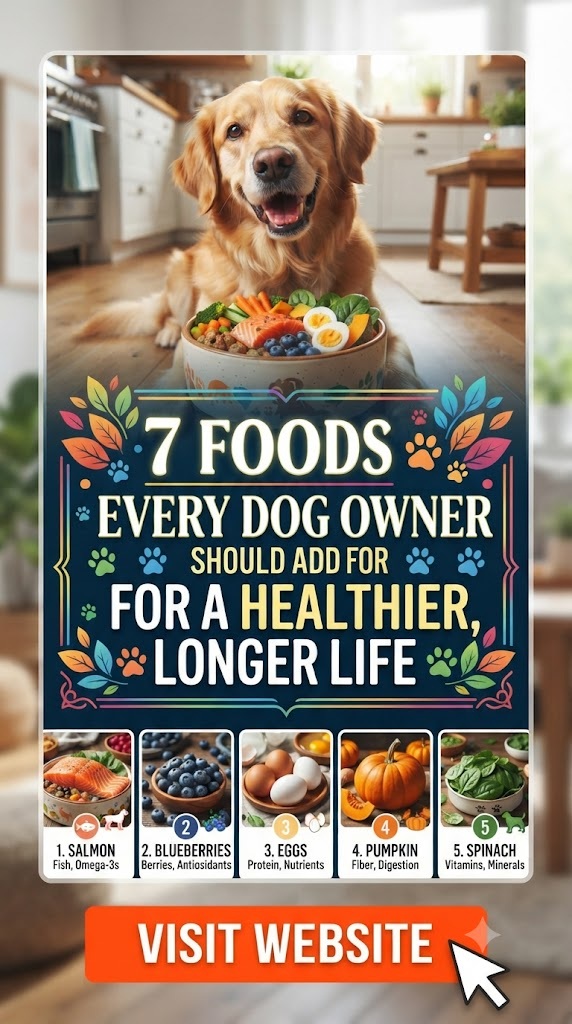
7 Science-Backed Superfoods That Can Add 3+ Years to Your Dog’s Life: The Ultimate Longevity Guide
The bond between a human and a dog is one of the most profound connections in the natural world. We view our dogs not just as pets, but as family members, confidants, and soulmates. Consequently, the greatest tragedy of the human-canine relationship is the disparity in our lifespans. While humans may live eight or nine decades, our canine companions are often with us for only a fraction of that time.
However, groundbreaking research in veterinary nutrigenomics—the study of how food affects gene expression—suggests that we have more control over our dogs’ aging process than we previously thought. By moving beyond “survival-based” nutrition and embracing “thrive-based” nutrition, we can potentially add three, four, or even five high-quality years to our dogs’ lives.
The secret lies in fighting the “Four Horsemen” of canine aging: inflammation, oxidative stress, glycation, and DNA methylation. By incorporating specific superfoods into their daily regimen, you can fortify their biological defenses. Here are the 7 superfoods that are scientifically proven to promote longevity and vitality in dogs.
1. Blueberries: The “Brain Berries” and Antioxidant Powerhouses
If there were a king of the superfood world for dogs, the blueberry would likely wear the crown. These tiny, indigo fruits are packed with more antioxidants than almost any other fruit or vegetable on the planet.
The Science of Anthocyanins
The deep blue color of the blueberry comes from a class of phytonutrients called anthocyanins. These compounds are potent antioxidants that cross the blood-brain barrier, offering direct protection to the central nervous system. As dogs age, they are susceptible to Canine Cognitive Dysfunction (CCD), often referred to as “doggy dementia.” Anthocyanins help mitigate the oxidative damage to brain cells that leads to memory loss and confusion.
Key Benefits for Longevity:
- DNA Protection: Blueberries help prevent DNA damage, which is a primary driver of cancer and aging.
- Cardiovascular Health: The fiber and antioxidants support heart health by improving blood flow and reducing systemic inflammation.
- Vision Support: They contain lutein and zeaxanthin, which are essential for maintaining retinal health and preventing cataracts.
How to Serve:
Blueberries are low in sugar and calories, making them an ideal treat. You can feed them fresh or frozen. For a cooling summer treat, frozen blueberries provide a satisfying crunch that also helps clean the teeth. Aim for 2-10 berries a day depending on the size of your dog.
2. Sardines: The Omega-3 “Gold Mine”
While many pet owners turn to salmon oil, whole sardines are often a superior choice for canine longevity. These small, oily fish are at the bottom of the food chain, meaning they contain significantly lower levels of heavy metals like mercury compared to larger fish.
The Power of EPA and DHA
Sardines are loaded with Omega-3 fatty acids, specifically Eicosapentaenoic acid (EPA) and Docosahexaenoic acid (DHA). These are “essential” fatty acids, meaning the dog’s body cannot produce them on its own; they must be ingested.
Key Benefits for Longevity:
- Joint Longevity: Omega-3s are nature’s most powerful anti-inflammatories. They lubricate the joints and can significantly delay the onset of osteoarthritis, keeping your dog mobile well into their senior years.
- Heart Health: DHA and EPA help regulate heart rhythm and prevent the formation of blood clots.
- Kidney Support: Studies have shown that Omega-3s can slow the progression of chronic kidney disease, a leading cause of death in older dogs.
How to Serve:
Look for canned sardines packed in water with no added salt. A small dog might only need half a sardine twice a week, while a large breed could enjoy two whole sardines. Always drain the water and avoid any sardines packed in soy or sunflower oil.
3. Broccoli and Cruciferous Vegetables: The Cancer-Fighters
Cancer is responsible for nearly 50% of deaths in dogs over the age of ten. If we want to extend a dog’s life, we must focus on cancer prevention. This is where broccoli, kale, and Brussels sprouts shine.
The Sulforaphane Secret
Cruciferous vegetables contain a compound called glucoraphanin, which, when chewed or chopped, converts into sulforaphane. Sulforaphane is perhaps the most potent natural inducer of Phase II detoxification enzymes in the body. It helps the liver neutralize carcinogens before they can damage cells.
Key Benefits for Longevity:
- Tumor Suppression: Sulforaphane has been shown to inhibit the growth of cancer cells and even trigger apoptosis (programmed cell death) in malignant cells.
- Fiber for Microbiome Health: A healthy gut is the foundation of a strong immune system. The fiber in broccoli feeds beneficial gut bacteria.
- Vitamin K: Essential for bone density and proper blood clotting.
How to Serve:
Raw broccoli can be difficult for dogs to digest and may cause gas. Lightly steaming or pureeing the vegetables breaks down the tough cellulose walls, making the nutrients more bioavailable. Pro-Tip: Adding a pinch of mustard seed powder to steamed broccoli can reactivate the enzymes lost during heating, boosting sulforaphane levels.
4. Turmeric: The Natural “Liquid Gold” Anti-Inflammatory
Inflammation is often called the “silent killer.” Chronic, low-grade inflammation (often termed “inflammaging”) is a root cause of almost every age-related disease, from heart disease to cancer. Turmeric, the golden spice of India, contains a compound called curcumin that is a miracle worker for inflammation.
Understanding Curcumin
Curcumin targets multiple steps in the inflammatory pathway at the molecular level. It is so effective that some studies have found its results comparable to anti-inflammatory drugs, but without the toxic side effects on the liver and kidneys.
Key Benefits for Longevity:
- Pain Management: For senior dogs suffering from hip dysplasia or arthritis, turmeric can provide significant pain relief and improved mobility.
- Gastrointestinal Health: It can help treat Inflammatory Bowel Disease (IBD) by soothing the digestive tract.
- Liver Detoxification: Turmeric stimulates bile production, which helps the liver process toxins more efficiently.
How to Serve:
Curcumin is notoriously difficult for the body to absorb. To make it effective for your dog, you must create what is known as “Golden Paste.” This involves simmering turmeric powder with water, healthy fats (like coconut oil), and a small amount of freshly ground black pepper. The piperine in black pepper increases curcumin absorption by up to 2,000%.
5. Pumpkin: The Gut-Health Guardian
A dog’s gut is home to 70% of its immune system. If the gut is unhealthy, the dog’s lifespan will inevitably be shortened. Pure, organic pumpkin (not pumpkin pie filling) is one of the most effective tools for maintaining a robust digestive system.
Soluble and Insoluble Fiber
Pumpkin is a unique balance of both soluble and insoluble fiber. This makes it a “regulator”—it can help firm up loose stools while simultaneously softening hard stools.
Key Benefits for Longevity:
- Weight Management: Obesity is a leading “life-shortener” for dogs, often leading to diabetes and joint failure. Pumpkin is low in calories but high in fiber, helping dogs feel full and satisfied while consuming fewer calories.
- Vitamin A (Beta-Carotene): Pumpkin is rich in beta-carotene, which supports immune function and keeps the skin and coat healthy.
- Parasite Defense: Pumpkin seeds contain an amino acid called cucurbitacin, which acts as a natural deworming agent.
How to Serve:
Add 1 to 4 tablespoons of plain, canned pumpkin puree to your dog’s regular meals. Ensure the only ingredient listed is “pumpkin.”
6. Fresh Eggs: Nature’s Most Complete Protein
For years, eggs were unfairly demonized due to cholesterol concerns. However, for dogs, eggs are a “perfect” food. They have the highest biological value of any protein source, meaning the dog’s body can use nearly 100% of the protein provided.
Choline and Lutein
Eggs are one of the best sources of choline, a nutrient essential for brain health and liver function. They also contain lutein, which protects the eyes from oxidative damage.
Key Benefits for Longevity:
- Muscle Mass Maintenance: As dogs age, they suffer from sarcopenia (muscle wasting). High-quality protein from eggs helps maintain the lean muscle mass necessary for mobility and metabolic health.
- Biotin for Skin Health: Eggs provide biotin, which strengthens the skin barrier and prevents infections.
- Riboflavin and Selenium: These trace minerals are crucial for thyroid function and metabolic regulation.
How to Serve:
While some advocates suggest raw eggs, cooking them slightly (soft-boiled or scrambled) eliminates the risk of salmonella and ensures the biotin is fully available (raw egg whites contain avidin, which can interfere with biotin absorption if fed in massive quantities). One egg a few times a week is a great addition for most dogs.
7. Medicinal Mushrooms: The Immune System Modulators
In the quest for canine longevity, medicinal mushrooms like Reishi, Shiitake, Maitake, and Turkey Tail are the ultimate “secret weapons.” These are not the mushrooms you find on a pizza; these are fungi used for millennia in traditional medicine.
Beta-Glucans and Polysaccharides
The cell walls of these mushrooms contain beta-glucans, which are immunomodulators. This means they don’t just “boost” the immune system (which could lead to allergies or autoimmune issues); they balance it. If the immune system is underactive, they wake it up; if it’s overactive, they calm it down.
Key Benefits for Longevity:
- Anti-Tumor Properties: Turkey Tail mushrooms, in particular, contain Polysaccharide-K (PSK), which is used in human medicine to fight cancer. Studies in dogs with hemangiosarcoma (a deadly vascular cancer) have shown significantly increased survival times when supplemented with Turkey Tail.
- Stress Reduction: Reishi mushrooms are known as “adaptogens,” helping the dog’s body cope with physical and emotional stress.
- Liver Support: They help regenerate liver cells and protect against environmental toxins.
How to Serve:
Do not feed raw mushrooms found in the wild, as many are toxic. Use a high-quality “7-Mushroom” blend powder specifically formulated for pets. Look for products that use the “fruiting body” rather than just the “mycelium,” as the fruiting body contains higher concentrations of beta-glucans.
The Philosophy of “The 10% Rule”
While these superfoods are transformative, it is important to remember the 10% Rule. Treats and toppers—even healthy ones—should not make up more than 10% of your dog’s total daily caloric intake. The remaining 90% should come from a high-quality, balanced base diet.
Introducing these foods should be done gradually. Every dog’s digestive system is unique, and a sudden influx of new nutrients can cause stomach upset. Start with one superfood at a time, monitor their stool and energy levels for a week, and then introduce the next.
Beyond the Bowl: Other Factors for Adding Years
Diet is the foundation of longevity, but it does not exist in a vacuum. To truly add 3+ years to your dog’s life, you must combine these superfoods with a holistic approach to health.
1. Dental Hygiene
Periodontal disease is more than just bad breath. Bacteria from the mouth can enter the bloodstream and cause permanent damage to the heart, liver, and kidneys. Brushing your dog’s teeth daily or providing natural dental chews can add significant time to their life.
2. Weight Management
A landmark Purina Life Span Study found that dogs kept at an ideal, lean body weight lived an average of 1.8 to 2 years longer than their overweight counterparts. You should be able to feel your dog’s ribs easily and see a clear “waist” when looking down at them.
3. Mental Stimulation
Cognitive decline accelerates aging. Just as humans do crosswords, dogs need “brain work.” Scent work, puzzle toys, and learning new tricks create new neural pathways, keeping the brain youthful.
4. Avoiding “Anti-Nutrients”
Adding superfoods is only half the battle; you must also remove the toxins. Avoid foods containing:
- BHA/BHT: Chemical preservatives linked to cancer.
- Artificial Colors: These offer no nutritional value and can cause behavioral issues.
- High Corn/Soy Fillers: These are often genetically modified and sprayed with pesticides like glyphosate, which disrupts the gut microbiome.
Conclusion: A Small Investment for a Massive Return
We often feel helpless against the ticking clock of our dogs’ lives. We watch their muzzles turn grey and their steps grow slower, wishing we could do something to stop time. While we cannot stop aging entirely, we have the power to influence its pace.
By incorporating blueberries, sardines, cruciferous vegetables, turmeric, pumpkin, eggs, and medicinal mushrooms into your dog’s life, you are doing more than just feeding them; you are providing them with the biological tools to repair their DNA, fight inflammation, and ward off disease.
It takes only a few extra minutes a day to chop some broccoli, crack an egg, or stir in some golden paste. In exchange, you get more mornings of wagging tails, more afternoon walks, and more years of the unconditional love that only a dog can provide. Your dog depends on you to make these choices for them—start today, and give them the gift of time.