Dog Food Recalls 2026: 3 Brands to Throw Away RIGHT NOW (Protect Your Pet)
Your dog isn’t just a pet; they are a member of the family. They greet you at the door with wagging tails, offer comfort during your lowest moments, and provide a level of unconditional love that is hard to find elsewhere. As a responsible pet owner, you do everything in your power to keep them safe. You buy the best toys, schedule regular vet check-ups, and—most importantly—you carefully choose the food that fuels their life.
But what happens when the very food you trust to nourish your furry friend becomes a silent killer?
As we move through 2026, the landscape of pet food safety is shifting. While manufacturing technology has advanced, the global supply chain has become more complex, leading to an unprecedented wave of recalls. From bacterial contamination to toxic levels of vitamins, the risks are real and immediate.
In this comprehensive guide, we are breaking down the three types of brands you need to scrutinize immediately, the hidden toxins currently plaguing the 2026 market, and the exact steps you need to take to ensure your dog’s bowl is a source of health, not hazard.
The 2026 Pet Food Crisis: Why Now?
The year 2026 has seen a sharp increase in FDA oversight and consumer-led testing. Why? Because the “Premiumization” of dog food has led to many smaller, “boutique” brands skipping the rigorous quality control measures that larger, established science-based companies have spent decades refining.
Furthermore, climate shifts have affected grain harvests globally, leading to a spike in Aflatoxins—mold-borne toxins that can thrive in corn, wheat, and rice used in budget-friendly kibble. When you combine these environmental factors with a strained supply chain, you get a “perfect storm” for pet food recalls.
3 Brands to Throw Away RIGHT NOW (The Profiles of Risk)
While specific brand names are added to the FDA’s official recall list weekly, we have identified three specific categories of brands that are currently failing safety inspections and causing widespread concern among veterinary toxicologists in 2026. If your dog’s food fits these descriptions, you should stop feeding it immediately and consult the FDA’s live database.
1. The “Boutique” Raw Manufacturer (Salmonella and Listeria Risks)
In 2026, the “Raw Food” trend has reached an all-time high. However, several “boutique” brands—often those that emphasize “local sourcing” without professional nutritional oversight—have been flagged for persistent Salmonella and Listeria monocytogenes contamination.
Unlike large-scale manufacturers that use high-pressure processing (HPP) to kill pathogens, many of these smaller brands rely on “natural” cleanliness, which is often insufficient. Listeria is particularly dangerous because it can survive in cold temperatures and colonize a manufacturing plant’s equipment for years.
The Danger: Even if your dog appears healthy, they can become “silent carriers” of Salmonella, shedding the bacteria in their feces and saliva, which poses a massive health risk to children, the elderly, and immunocompromised family members.
2. The “High-Grain” Budget Bulk Kibble (Aflatoxin Danger)
Budget-friendly brands that rely heavily on corn, corn gluten meal, and wheat fillers are currently under fire. Due to the damp harvesting seasons of late 2025, many of these ingredients have been found to contain Aflatoxins.
Aflatoxins are toxins produced by the mold Aspergillus flavus. They are invisible to the naked eye and cannot be killed by the high-heat extrusion process used to make kibble. In 2026, these toxins have been linked to acute liver failure in dogs across several Midwestern states.
The Danger: Aflatoxin poisoning is cumulative. A dog might seem fine for weeks until their liver suddenly fails. Symptoms include jaundice (yellowing of the eyes and gums), extreme lethargy, and bloody diarrhea.
3. The “Over-Supplemented” Specialty Diet (Vitamin D Toxicity)
Ironically, sometimes “too much of a good thing” is what leads to a recall. In 2026, several brands marketed as “Fortified for Maximum Vitality” have been recalled due to formulation errors that led to excessive Vitamin D.
While dogs need Vitamin D, it is a fat-soluble vitamin. This means it builds up in the body and doesn’t get flushed out through urine. Excessive levels lead to hypercalcemia (dangerously high calcium levels), which causes rapid kidney failure and death.
The Danger: If your dog is drinking an unusual amount of water and urinating more frequently, they may be suffering from Vitamin D toxicity. This is a medical emergency.
The Silent Killers: What is Actually in Recalled Dog Food?
To protect your pet, you must understand what these recall notices actually mean. Here are the most common reasons dog food is pulled from shelves in 2026:
Pentobarbital Contamination
It sounds like a horror movie, but it is a reality. Pentobarbital is a barbiturate used for euthanizing animals. Occasionally, this drug finds its way into the pet food supply chain via “rendered fats” or “meat and bone meal” sourced from rendering plants that process euthanized livestock or, in extreme cases, shelter animals. There is zero tolerance for pentobarbital in dog food. If a brand contains any amount, it must be thrown away immediately.
Melamine and Cyanuric Acid
Following the devastating recalls of years past, 2026 has seen a resurgence of chemical adulterants used to “boost” the protein readings in laboratory tests. These chemicals cause the formation of crystals in the kidneys, leading to excruciating pain and rapid renal failure.
Foreign Objects: Plastic and Metal Fragments
Manufacturing malfunctions can lead to small pieces of blue plastic (from conveyor belts) or metal shavings (from grinders) entering the kibble mix. These pose a significant choking hazard and can cause internal perforations in the digestive tract.
How to Check If Your Brand is On the List
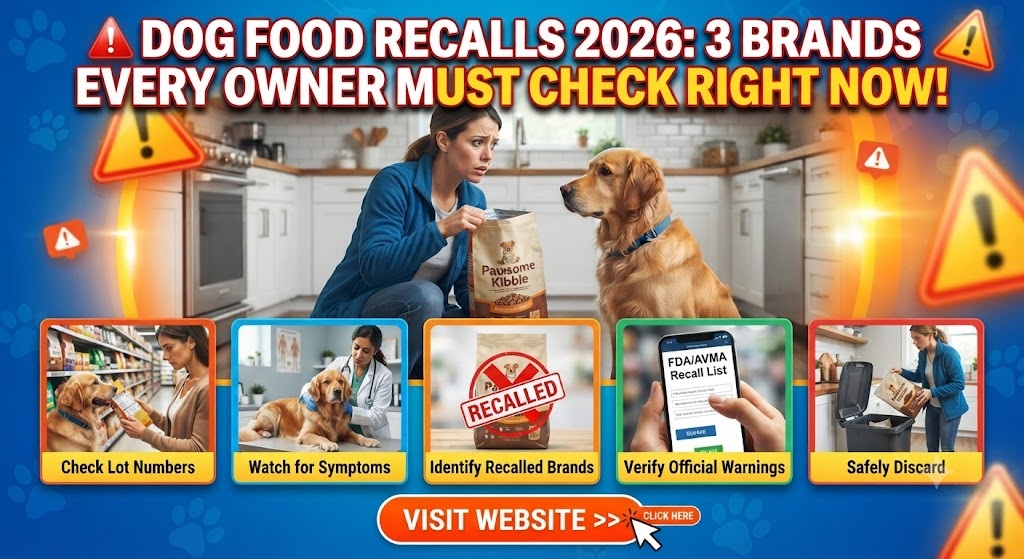
Don’t wait for your dog to get sick. Be proactive. Here is how you can stay updated on the 2026 dog food recalls in real-time:
- FDA’s Animal & Veterinary Recall Database: This is the “Gold Standard.” Every official recall is logged here with lot numbers and expiration dates.
- The “Safety Reporting Portal”: If your dog gets sick, report it! The FDA often triggers a recall based on reports from everyday pet owners.
- Third-Party Alert Services: Sign up for email alerts from reputable pet safety organizations that monitor manufacturer press releases.
- Check the “Lot Code” and “Best By” Date: A recall rarely affects every bag of food a company makes. It is usually specific to a certain “run” at a specific factory. Always keep the original packaging so you have this data.
The Red Flags: Symptoms of Dog Food Poisoning
If you suspect your dog has eaten recalled or contaminated food, time is of the essence. Watch for these symptoms, which can range from subtle to severe:
- Loss of Appetite: This is often the first sign. If your “food-motivated” dog suddenly turns their nose up at their bowl, pay attention.
- Vomiting and Diarrhea: Especially if it contains blood or has a particularly foul, metallic odor.
- Increased Thirst and Urination: A classic sign of kidney stress or Vitamin D toxicity.
- Jaundice: Look at the whites of your dog’s eyes and their gums. A yellowish tint indicates liver distress (often from Aflatoxins).
- Lethargy and Weakness: If your dog is “pancaking” on the floor or seems unable to jump onto the couch, their body is fighting a systemic toxin.
- Seizures or Tremors: These can occur with certain chemical contaminants or severe electrolyte imbalances.
Action Plan: If you see these signs, stop feeding the food immediately, take a photo of the bag (including the lot number), and rush your pet to an emergency vet.
How to Choose a Safe Brand in 2026
In an era of frequent recalls, how do you know what is safe? Use the “Expert Rule of Three” when selecting dog food:
1. Scientific Backing over Marketing Fluff
Avoid brands that spend 90% of their budget on Instagram ads and 10% on research. Look for brands that employ full-time Board-Certified Veterinary Nutritionists. Brands that follow WSAVA (World Small Animal Veterinary Association) guidelines are generally much safer because they perform rigorous feeding trials and “test-and-hold” procedures.
2. The “Test and Hold” Protocol
Ask the manufacturer: “Do you test every batch for pathogens before it leaves the warehouse?” The best companies “hold” their product until the lab results for Salmonella and Listeria come back negative. Smaller, cheaper brands often ship the food as soon as it’s bagged to save on storage costs.
3. Transparency in Sourcing
A safe brand should be able to tell you exactly where their vitamins and minerals are sourced. Brands that source high-risk ingredients (like “meat meal”) from mystery suppliers are the ones most likely to end up on the 2026 recall list.
Safe Alternatives: Should You Cook for Your Dog?
Many pet owners, spooked by the 2026 recalls, are turning to home-cooked diets. While this can be safer in terms of ingredient quality, it carries its own risks.
The Danger of Imbalance: 95% of home-cooked dog food recipes found online are nutritionally incomplete. Over time, a lack of calcium or the wrong ratio of Omega fatty acids can cause skeletal deformities and heart disease (DCM).
If you decide to ditch commercial kibble:
- Use a Consultant: Work with a veterinary nutritionist to create a balanced recipe.
- Supplements are Key: You must use a specific supplement mix (like JustFoodForDogs or Balance.it) to ensure your dog gets the micronutrients they need.
- Avoid Toxic Human Foods: Never include onions, garlic, grapes, raisins, or Xylitol (often found in peanut butter).
The Role of the FDA and the Law in 2026
In 2026, the FDA has been granted more power to issue Mandatory Recalls. In the past, recalls were largely voluntary—the company chose to pull the food. Now, if the FDA finds evidence of a “reasonable probability” of harm, they can force a company to shut down production.
This is good news for pet owners, but it means the news cycle will be flooded with more “official” alerts. Don’t panic; instead, stay informed. The increase in recalls is actually a sign that the system is working better to catch toxins before they kill.
Step-by-Step: What to Do If You Have Recalled Food
If you find a bag of recalled food in your pantry, follow these steps immediately:
- Stop Feeding: Do not give even one more “last bowl.”
- Secure the Product: Place the remaining food in a sealed bag and label it “TOXIC – DO NOT FEED.” Do not simply throw it in the trash where stray animals or wildlife might eat it.
- Sanitize Everything: Wash your dog’s bowls, the storage container, and your hands with hot, soapy water. If it was a raw food recall, use a diluted bleach solution to sanitize the area where the bowl sits.
- Contact the Manufacturer: Most companies will offer a full refund or a voucher for a different product.
- Monitor Your Pet: Even if they seem fine, keep a close eye on their energy levels and bathroom habits for at least two weeks.
Conclusion: Vigilance is the Best Medicine
The dog food recalls of 2026 are a sobering reminder that we cannot take pet food safety for granted. While the three types of brands mentioned—Boutique Raw, Budget High-Grain, and Over-Supplemented Specialty—are currently the highest risk, any brand can face a manufacturing hiccup.
By staying informed, reading labels with a critical eye, and knowing the early warning signs of toxicity, you are acting as the ultimate guardian for your dog. They rely on you for everything. Don’t let their dinner be the thing that hurts them.
Bookmark the FDA recall page today, and check it every time you open a new bag of food. Your dog’s life depends on it.
FAQ: Dog Food Recalls 2026
Q: Can I get my money back if my dog’s food is recalled? A: Yes. Most retailers (like Chewy, Petco, or Amazon) will automatically issue a refund if you purchased through them. If you bought it at a local store, take the bag or the receipt back for a full refund.
Q: Is grain-free food safer in 2026? A: Not necessarily. In fact, many grain-free foods use high amounts of legumes (peas and lentils) which are currently being studied for their link to Dilated Cardiomyopathy (DCM). “Grain-free” does not mean “recall-free.”
Q: How long after eating contaminated food will a dog show symptoms? A: It depends on the toxin. Salmonella symptoms can appear within 12 to 72 hours. Aflatoxin or Vitamin D poisoning can take days or even weeks to manifest as the toxins build up in the liver or kidneys.
Q: Are expensive brands always safer? A: Price is not always an indicator of safety. Some of the most expensive “human-grade” brands have had the most recalls due to lack of experience in large-scale food manufacturing. Look for “Science-Backed” rather than “Price-Backed.”