
“
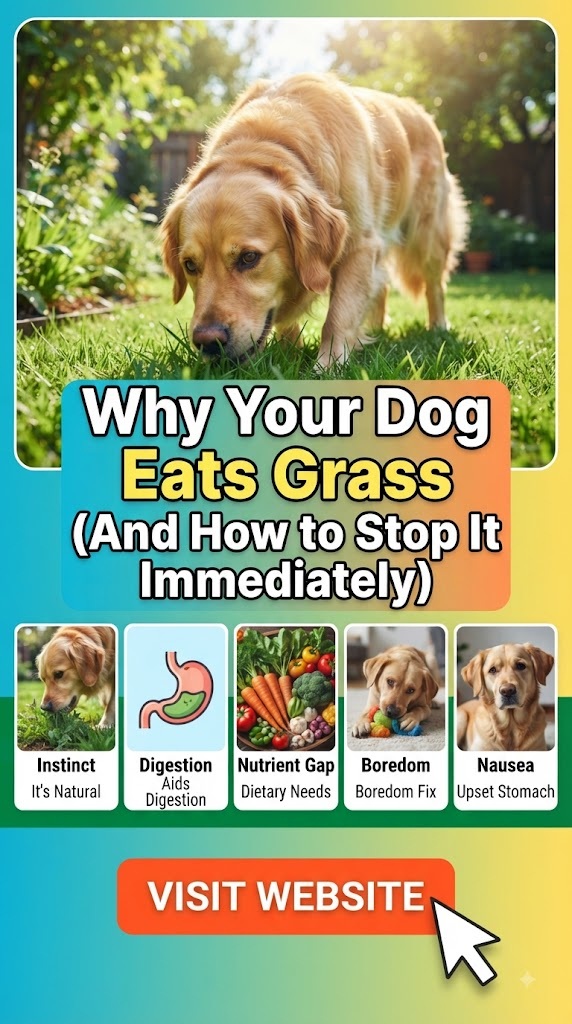
Is it a sign of a hidden illness? Are they lacking a secret nutrient? Or has your canine companion simply developed a taste for the local flora? While most grass eating is harmless, there are times when it signals a deeper issue that needs immediate intervention. In this comprehensive guide, we will dive into the science of why dogs eat grass and provide you with actionable, immediate steps to manage and stop the behavior.
The “Green” Mystery: Why Do They Do It?
To understand how to stop the behavior, we first have to understand the “why.” Researchers and animal behaviorists have identified several core reasons why dogs turn into lawnmowers.
1. The Ancestral Instinct (The Wolf Within)
Modern dogs are descendants of wolves. While we think of wolves as pure carnivores, they are actually opportunistic scavengers. When wolves eat their prey, they often consume the stomach contents of herbivores (deer, rabbits, etc.), which are filled with fermented plant matter. Additionally, studies of wild canids have shown that grass is frequently found in their stool. It is believed that grass acts as a natural scouring agent to help clear the digestive tract of parasites.
2. Pica: The Craving for Non-Food Items
Pica is a psychological and physiological condition where an animal craves substances that aren’t food. In dogs, this often manifests as eating dirt, rocks, or grass. Pica can be a sign of a nutritional deficiency, specifically a lack of fiber, vitamins, or minerals.
3. The “Sick Stomach” Myth vs. Reality
There is a common belief that dogs eat grass specifically to make themselves vomit when they feel nauseous. However, research suggests this might be an exaggeration. A study conducted by the University of California, Davis, found that only about 8% of dogs showed signs of illness before eating grass, and only 22% vomited afterward. While some dogs do use grass as a mechanical irritant to trigger vomiting, for most, the grass eating comes first, and the vomiting is just a side effect of the grass irritating the stomach lining.
4. Simple Boredom or Anxiety
Dogs are high-energy, intelligent creatures. If they are left in a backyard without interaction or toys, they will find ways to entertain themselves. For some dogs, the repetitive action of pulling and chewing grass provides a form of oral stimulation that relieves boredom or self-soothes during periods of anxiety.
5. It Just Tastes Good
Believe it or not, many dogs simply enjoy the taste and texture of fresh, dew-covered grass. This is especially true in the spring when new grass is tender and sweet.
When Should You Worry? Identifying the “Danger Zone”
While occasional grazing isn’t usually a cause for panic, you must be able to distinguish between “recreational grazing” and “compulsive/illness-related grazing.”
Signs of a Problem:
- The “Hectic” Eater: If your dog is frantically eating any grass they can find, acting panicked or desperate to get outside to graze, they likely have severe gastric distress.
- Bloody Stool or Diarrhea: If the grass eating is accompanied by changes in bowel movements, a vet visit is mandatory.
- Lethargy: If your dog eats grass and then spends the rest of the day sleeping or acting weak.
- Weight Loss: If they are filling up on grass instead of their nutrient-dense kibble.
Comparison: Occasional vs. Compulsive Grazing
| Feature | Occasional Grazing (Normal) | Compulsive Grazing (Action Needed) |
|---|---|---|
| Frequency | Once or twice a week | Every time they go outside |
| Intensity | Calm, slow chewing | Frantic, gulping, or “vacuuming” |
| Physical Signs | Dog appears happy and alert | Dog appears restless or in pain |
| Post-Eating | No vomiting or rare vomiting | Frequent vomiting or gagging |
| Triggers | Leisurely walks | Stress, empty stomach, or after meals |
The Hidden Dangers of Grass Consumption
Even if your dog has a “stomach of steel,” the grass itself isn’t always the problem—it’s what is on or in the grass.
Pesticides and Herbicides
Many lawns are treated with chemicals to keep them green and weed-free. These toxins are incredibly dangerous for dogs and have been linked to bladder cancer and long-term organ damage.
Intestinal Parasites
The grass is often the “public bathroom” for neighborhood pets and wildlife. Hookworms, roundworms, and whipworms can live in the soil and on grass blades for weeks. When your dog eats the grass, they are essentially swallowing these parasites.
Lungworm
In many regions, slugs and snails crawl over grass, leaving behind slime trails that can carry lungworm larvae. If your dog accidentally ingests a small slug or the trail while eating grass, it can lead to severe respiratory and heart issues.
How to Stop Grass Eating Immediately: A Step-by-Step Guide
If you’ve decided that your dog’s lawn-munching habit needs to end, follow these proven strategies to stop the behavior.
Step 1: Increase Dietary Fiber
Many dogs eat grass because they aren’t getting enough roughage in their diet. Fiber helps move food through the digestive tract and makes the dog feel full.
- The Fix: Add a tablespoon of plain, canned pumpkin (not pie filling!) to their meals. Alternatively, steamed green beans or broccoli can provide the crunch and fiber they crave.
Step 2: Switch to High-Quality Canine Nutrition
Check the ingredient label on your dog food. If the first three ingredients are “corn,” “meat meal,” or “by-products,” your dog may be seeking nutrients elsewhere.
- The Fix: Transition to a premium food where whole meat is the primary ingredient. Consult your vet about adding a multivitamin or a probiotic supplement to support gut health.
Step 3: Implement the “Leave It” Command
Training is the most effective way to stop the behavior in real-time.
- The Fix: When you see your dog go for a blade of grass, use a firm “Leave it” command. When they look away from the grass and toward you, reward them immediately with a high-value treat (something better than grass, like a small piece of chicken).
Step 4: Environmental Enrichment
A tired dog is a well-behaved dog. If your dog is eating grass out of boredom, you need to provide better alternatives.
- The Fix: Bring toys on walks. Use puzzle feeders or “Kong” toys stuffed with frozen peanut butter to keep them occupied in the yard. If they are busy working for a treat, they won’t have time to mow the lawn.
Step 5: Leash-Only Potty Breaks
If your dog has free rein of the backyard, they will likely continue to graze.
- The Fix: Until the habit is broken, take your dog out on a leash even in your own yard. This allows you to steer them away from the grass and redirect their attention immediately.
The “Safe” Alternative: Indoor Dog Grass
If your dog truly loves the taste of greens and you can’t seem to break the habit, consider a compromise. You can purchase “Dog Grass Kits” or “Pet Grass” (usually wheatgrass or oat grass) grown in a controlled, chemical-free environment indoors.
This allows your dog to satisfy their natural urge to graze without the risk of pesticides, parasites, or stomach irritation from the sharp blades of outdoor Kentucky Bluegrass.
When to Call the Vet
While the steps above work for most dogs, some cases require professional medical attention. You should book an appointment if:
- The behavior started suddenly: If an older dog who never ate grass suddenly starts doing it daily.
- Excessive Drooling: This is a sign of extreme nausea or a foreign object stuck in the throat.
- Abdominal Tenderness: If your dog whines or snaps when you touch their belly.
- Persistent Vomiting: If they vomit more than once or twice after eating grass, they may have an intestinal blockage.
Conclusion: Consistency is Key
Stopping your dog from eating grass isn’t just about protecting your lawn; it’s about ensuring their digestive health and safety. By addressing the root cause—whether it’s nutritional, behavioral, or physical—you can help your furry friend lead a healthier, “grass-free” life.
Start by adding fiber to their diet and upping their exercise routine. Use positive reinforcement to reward them for ignoring the greenery. With a little patience and the right nutritional balance, your dog will soon realize that their kibble is much more rewarding than the backyard salad bar.
Remember, you are your dog’s advocate. Keep a close eye on their habits, stay consistent with training, and always consult your veterinarian if you suspect their “green habit” is a cry for help.