
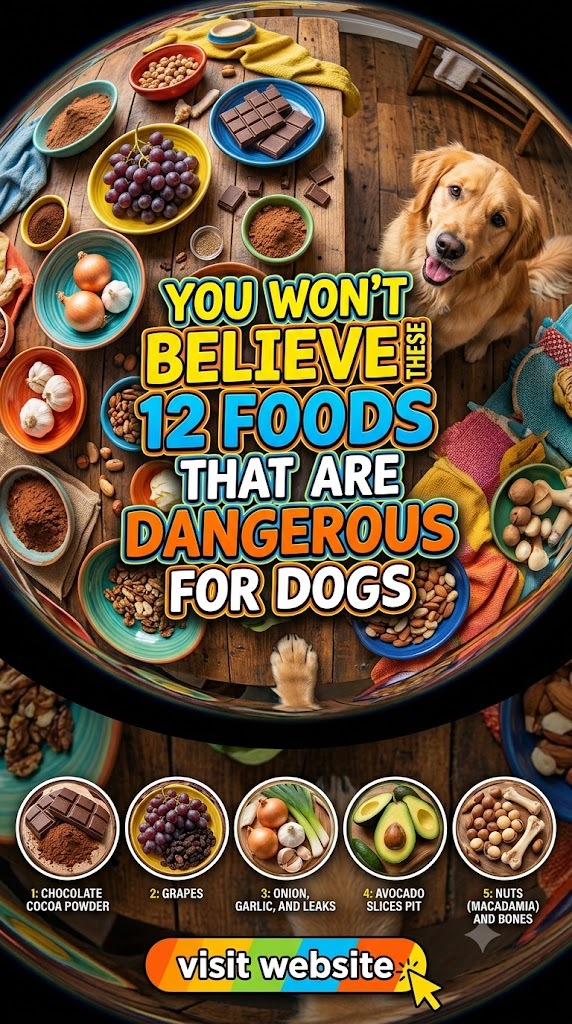
12 Foods Dogs Should Never Eat (Veterinarian Approved)
The bond between a human and a dog is often forged over the breaking of bread—or, more accurately, the sharing of a crust of pizza or a lick of an ice cream cone. Those soulful, pleading eyes at the edge of the dinner table are nearly impossible to resist. We want to include our “best friends” in every aspect of our lives, including our meals. However, what constitutes a gourmet treat for a human can be a lethal poison for a canine.
Canine metabolism is fundamentally different from human metabolism. While our bodies have evolved to process a massive variety of complex chemicals, sugars, and stimulants, a dog’s digestive system is far more specialized. Something as seemingly innocent as a handful of raisins or a sugar-free mint can lead to irreversible organ failure or even sudden death.
To keep your furry companion safe, it is crucial to move beyond “common sense” and look at the hard science of veterinary toxicology. Here is a comprehensive, veterinarian-approved guide to the 12 most dangerous foods you should never, under any circumstances, feed your dog.
1. Xylitol (The Silent Killer)
If there is one item on this list that every pet owner must memorize, it is Xylitol. This sugar alcohol is an artificial sweetener found in an increasing number of household products, including sugar-free chewing gum, “skinny” ice creams, breath mints, chewable vitamins, and—most dangerously—certain brands of peanut butter.
Why it’s toxic:
In humans, Xylitol does not affect insulin levels. However, when a dog consumes Xylitol, their pancreas confuses it with real sugar. This triggers a massive, rapid release of insulin.
The Effects:
This insulin surge causes the dog’s blood sugar to plummet to life-threatening levels (hypoglycemia) within 10 to 60 minutes. If left untreated, Xylitol poisoning leads to:
- Acute Liver Failure: The sweetener causes rapid necrosis of liver tissue.
- Seizures: Resulting from the drop in blood glucose.
- Death: Often occurring within 24 hours if the dose is high enough.
Pro-Tip: Always check the label of your peanut butter. If it says “naturally sweetened” or “low calorie,” look for Xylitol (sometimes listed as birch sugar).
2. Grapes and Raisins
For years, the exact reason why grapes and raisins are toxic to dogs remained a veterinary mystery. Recent research suggests that tartaric acid within the fruit is the culprit. Regardless of the “why,” the “what” is terrifying: even a small amount can be fatal.
Why it’s toxic:
Unlike chocolate, where toxicity is dose-dependent (based on the dog’s weight), grape toxicity is idiosyncratic. This means some dogs might eat a few and seem fine, while another dog of the same size could suffer total kidney failure after eating just two raisins. There is no “safe” amount.
The Effects:
- Kidney Failure: The primary concern is acute renal failure.
- Symptoms: Vomiting, lethargy, and a sudden decrease in urine production.
- Urgency: If your dog ingests a grape, this is considered a medical emergency. Do not wait for symptoms to appear.
3. Chocolate and Caffeine
Most owners know chocolate is bad, but many don’t understand the chemistry behind it. Chocolate contains two stimulants: theobromine and caffeine. Both belong to a chemical class called methylxanthines.
Why it’s toxic:
Humans metabolize these stimulants quickly. Dogs, however, process them very slowly. This allows the chemicals to build up to toxic levels, overstimulating the dog’s central nervous system and heart.
The Breakdown of Danger:
- White Chocolate: Very low levels of stimulants (mostly fat/sugar danger).
- Milk Chocolate: Moderate danger.
- Dark Chocolate: High danger.
- Baker’s Chocolate/Cocoa Powder: Extremely dangerous; even small amounts can be fatal to large dogs.
The Effects:
Symptoms include extreme hyperactivity, panting, racing heart rate (tachycardia), tremors, and seizures. In severe cases, the heart can simply stop.
4. Onions, Garlic, and Chives
Whether raw, cooked, powdered, or dehydrated, members of the Allium family are strictly off-limits. This includes leeks and shallots as well.
Why it’s toxic:
These plants contain N-propyl disulfide, a compound that causes oxidative damage to a dog’s red blood cells.
The Effects:
This damage leads to a condition called Heinz Body Anemia. Essentially, the dog’s body begins to destroy its own red blood cells faster than it can produce them.
- Delayed Reaction: You might not see symptoms for 3 to 5 days after ingestion.
- Symptoms: Pale gums, weakness, orange-to-red tinted urine, and fainting.
Note: Garlic is considered about five times more potent/toxic than onions per gram.
5. Macadamia Nuts
Macadamia nuts are a staple in many cookies and snack mixes, but they hold a unique toxicity specifically for dogs. Interestingly, they do not appear to affect cats or other pets in the same way.
Why it’s toxic:
The exact toxin is still being identified, but the effect on a dog’s neurological system is profound.
The Effects:
Within 12 hours of ingestion, dogs will exhibit “Macadamia Nut Toxicosis.”
- Hind Limb Paralysis: The dog may lose the ability to walk or stand on their back legs.
- Tremors and Hyperthermia: An inability to regulate body temperature.
- Vomiting: General gastrointestinal distress. While rarely fatal if treated, the paralysis is extremely distressing for both the pet and the owner.
6. Alcohol (Ethanol)
It might seem funny to some to let a dog lap up a bit of beer or wine, but alcohol is significantly more dangerous to dogs than it is to humans.
Why it’s toxic:
A dog’s liver and kidneys are not designed to filter ethanol. Because of their smaller body mass, even a few ounces of beer or wine can cause “alcohol poisoning.”
The Effects:
- Central Nervous System Depression: The dog becomes uncoordinated and drowsy.
- Respiratory Distress: In higher doses, alcohol slows the heart rate and breathing until they stop.
- Metabolic Acidosis: A dangerous shift in the blood’s pH levels that can lead to sudden death.
7. Cooked Bones and Fat Trimmings
While the “dog with a bone” is a classic image, the reality is a veterinary nightmare.
The Danger of Cooked Bones:
When bones are cooked, they become brittle. Unlike raw bones, which are somewhat pliable, cooked bones splinter into razor-sharp shards when chewed. These shards can puncture the esophagus, stomach, or intestines, leading to septic peritonitis—a massive, often fatal infection of the abdominal cavity.
The Danger of Fat Trimmings:
Many owners “treat” their dogs to the fatty scraps of a steak or roast. However, a sudden influx of high-fat food can trigger Pancreatitis.
- The pancreas becomes inflamed and begins to digest itself.
- It is incredibly painful and often requires days of hospitalization and IV fluids.
8. Avocado
The danger of avocados is twofold: the chemical persin and the physical hazard of the pit.
Why it’s toxic:
Avocados contain a fungicidal toxin called persin. While dogs are more resistant to persin than birds or horses, large amounts can cause stomach upset and breathing difficulties.
The Physical Danger:
The biggest threat to dogs is the large pit. It is slippery and perfectly sized to become lodged in a dog’s throat or, worse, their intestinal tract. An intestinal blockage from an avocado pit almost always requires emergency surgery.
9. Raw Yeast Dough
If you are an avid baker, keep your rising dough far away from the edge of the counter.
Why it’s toxic:
When a dog eats raw dough, the warm environment of their stomach acts like an oven. The yeast continues to ferment and rise.
- Bloat (GDV): The expanding dough can stretch the dog’s stomach until the blood supply is cut off. This is a surgical emergency.
- Alcohol Poisoning: As the yeast ferments, it produces ethanol as a byproduct. The ethanol is absorbed into the bloodstream, leading to the alcohol poisoning mentioned earlier.
10. Fruit Pits and Seeds (Cyanide)
While the flesh of an apple or a peach is generally safe (and even healthy) for dogs, the seeds and pits are a different story.
Why it’s toxic:
The seeds of apples and the pits of cherries, peaches, and plums contain amygdalin, which releases cyanide when chewed and digested.
The Effects:
Cyanide prevents the cells from using oxygen.
- Symptoms: Bright red gums, dilated pupils, difficulty breathing, and shock.
- Note: While a single apple seed is unlikely to kill a dog, the cumulative effect or the crushing of a large peach pit can be lethal.
11. Salt and Salty Snacks
In the age of processed foods, many human snacks (pretzels, chips, popcorn) are loaded with salt. While humans can usually handle the excess sodium, dogs cannot.
Why it’s toxic:
Excessive salt intake leads to Sodium Ion Poisoning. It causes the cells to lose water, leading to severe dehydration and neurological dysfunction.
The Effects:
- Symptoms: Vomiting, diarrhea, depression, tremors, and high body temperature.
- Seizures: In extreme cases, the brain swells, leading to permanent neurological damage or death.
12. Dairy Products (Milk, Cheese, Ice Cream)
While not “toxic” in the same way as cyanide or Xylitol, dairy is a leading cause of digestive distress in dogs.
Why it’s problematic:
Most dogs are naturally lactose intolerant. They lack the enzyme lactase required to break down the sugars in milk.
The Effects:
While a small cube of cheese might be fine for some dogs, larger amounts of dairy lead to:
- Severe diarrhea.
- Gas and bloating.
- Potential pancreatitis (due to the high fat content in many dairy products like ice cream).
High-CTR, Viral Title Ideas for This Article
To ensure this life-saving information reaches as many pet owners as possible, here are 5 high-performing, SEO-friendly title ideas:
- “The Silent Killers: 12 Common Foods That Could Be Fatal for Your Dog” (Focus: Urgency/Danger)
- “Veterinarian Alert: Stop Feeding Your Dog These 12 Everyday Human Foods” (Focus: Authority/Expertise)
- “Is Your Kitchen Poisoning Your Pet? 12 Forbidden Foods for Dogs (Must Read)” (Focus: Curiosity/Fear)
- “From Your Plate to the ER: 12 Toxic Foods Dogs Should Never Eat” (Focus: Direct Consequences)
- “The Ultimate Dog Safety Guide: 12 Human Foods That Are Strictly Off-Limits” (Focus: Comprehensive Guide)
What to Do in an Emergency
If you suspect your dog has ingested any of the items on this list, seconds matter. Do not wait for symptoms to appear, as many toxins cause irreversible damage before the dog looks “sick.”
1. Identify the Toxin
If possible, grab the packaging of the food they ate. This helps the vet determine the exact chemical and dosage (e.g., the percentage of cocoa in chocolate or the presence of Xylitol).
2. Call Your Veterinarian or Emergency Clinic
Call ahead so they can prepare the necessary treatment (such as charcoal or IV fluids) before you arrive.
3. Contact Poison Control
There are specialized hotlines dedicated to pet toxicity:
- ASPCA Animal Poison Control Center: (888) 426-4435
- Pet Poison Helpline: (855) 764-7661 (Note: These services may charge a consultation fee, but they provide expert toxicological data that can save your dog’s life.)
4. Do Not Induce Vomiting Unless Instructed
In some cases (like if the dog swallowed a sharp bone or a caustic chemical), inducing vomiting can cause more damage to the esophagus. Only do this if a medical professional tells you to.
Safe “Human Food” Alternatives
You don’t have to cut out all treats! If you want to share a snack with your pup, stick to these veterinarian-approved options:
- Carrots: Great for dental health and low in calories.
- Blueberries: Packed with antioxidants and safe in moderation.
- Plain Pumpkin: Excellent for digestion (ensure it is not “Pumpkin Pie Filling” with spices/sugar).
- Green Beans: A crunchy, filling snack for dogs on a weight-loss plan.
- Plain, Cooked Chicken: Unseasoned (no garlic or onion powder!) and skinless.
Conclusion: The Responsibility of the Pack Leader
As dog owners, we are the guardians of our pets’ health. Their evolutionary drive tells them to eat whatever is available, but our knowledge must act as their filter. By “dog-proofing” your pantry and being vigilant about labels, you can ensure that your kitchen remains a place of nourishment rather than a source of danger.
Keep this list handy, share it with your friends, and remember: when in doubt, stick to high-quality, vet-recommended dog food. Your dog’s life is worth more than a moment’s treat.