
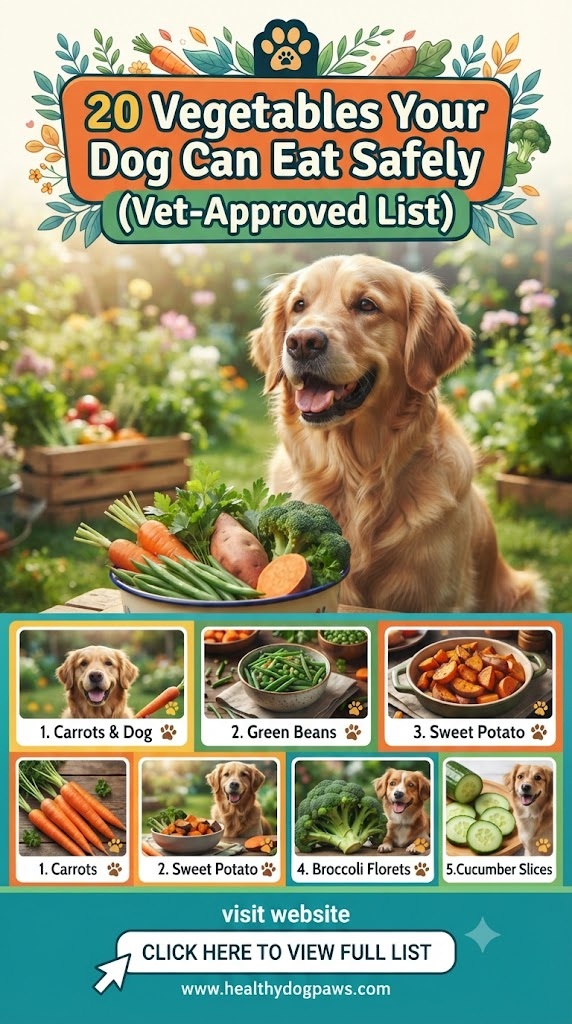
20 Safe Veggies Your Dog Will Actually Love: The Ultimate Guide to Canine Superfoods
As a dog owner, you’ve likely found yourself at the kitchen counter, chopping vegetables for dinner, only to look down and see a pair of hopeful, puppy-dog eyes staring back at you. Your first instinct might be to toss them a scrap, but then you hesitate—is this actually safe for them?
The good news is that dogs are omnivores, meaning they can derive significant nutritional benefits from both meat and plant-based sources. While their ancestors in the wild relied primarily on prey, those prey animals were often herbivores, meaning wild canids ingested fermented and predigested plant matter. Today, adding fresh, whole vegetables to your dog’s bowl can provide a boost of vitamins, minerals, antioxidants, and fiber that kibble alone might lack.
In this comprehensive guide, we will explore 20 safe vegetables that dogs don’t just tolerate, but actually love. We’ll also cover how to prepare them, the specific health benefits they offer, and the “golden rules” for introducing new foods to your furry friend’s diet.
Why Should You Feed Your Dog Vegetables?
Before we dive into the list, let’s understand the “why.” Why bother adding veggies when high-quality dog food is formulated to be “balanced”?
- Weight Management: Many vegetables are high in fiber and water but low in calories. This makes them the perfect “filler” for dogs who are always hungry or need to lose a few pounds.
- Hydration: Veggies like cucumbers and celery are packed with water, helping keep your dog hydrated during hot summer months.
- Antioxidants: Plants are rich in phytonutrients and antioxidants that help fight inflammation and may reduce the risk of chronic diseases and cancer.
- Dental Health: The mechanical action of chewing on raw, crunchy vegetables like carrots can help scrape away soft plaque from the teeth.
- Digestive Support: The soluble and insoluble fiber in vegetables helps regulate bowel movements and supports a healthy gut microbiome.
The Top 20 Safe Veggies for Dogs
1. Carrots
Carrots are the gold standard of dog treats. Most dogs love them because they are naturally sweet and have a satisfying crunch.
- Benefits: Rich in Vitamin A (beta-carotene), which supports eye health, and Vitamin K for blood clotting.
- How to Serve: Give them raw as a crunchy chew or steam them for older dogs with sensitive teeth. You can even freeze whole large carrots to serve as a cooling, edible “chew toy.”
2. Green Beans
If your vet has ever suggested your dog lose weight, they probably mentioned green beans. They are incredibly low in calories but very filling.
- Benefits: High in iron, protein, and calcium. They are a great alternative to processed biscuits.
- How to Serve: Raw, steamed, or even frozen. Ensure they are plain—never give your dog canned green beans with added salt.
3. Sweet Potatoes
Sweet potatoes are a powerhouse of nutrition and are a common ingredient in premium dog foods.
- Benefits: Excellent source of dietary fiber, Vitamin B6, Vitamin C, and manganese.
- How to Serve: Must be cooked. Raw sweet potatoes are hard to digest and can cause intestinal blockage. Bake, steam, or dehydrate them into “sweet potato jerky.”
4. Broccoli
Broccoli is a “superfood” for humans and dogs alike, but it should be fed in moderation.
- Benefits: Contains Vitamin C and K. It is also high in fiber and has anti-inflammatory properties.
- How to Serve: Raw or steamed. Keep the pieces small to prevent choking. Note: Broccoli florets contain isothiocyanates, which can cause gastric irritation in some dogs if fed in large quantities.
5. Cucumbers
For dogs that need to watch their waistline or those who don’t drink enough water, cucumbers are the perfect snack.
- Benefits: They have almost zero fats or oils and are mostly water. They also contain electrolytes.
- How to Serve: Sliced into bite-sized rounds. They are especially refreshing after a long walk in the sun.
6. Peas (Sugar Snap, Garden, or English)
Most dogs find peas absolutely delicious. They are small, fun to eat, and packed with nutrients.
- Benefits: High in protein, fiber, and lutein (which is good for heart and eye health).
- How to Serve: Fresh or frozen. Avoid canned peas, as they often contain high levels of sodium.
7. Spinach
While controversial in large amounts due to oxalic acid, spinach is safe and healthy in moderation.
- Benefits: Loaded with iron and antioxidants. It helps defend against inflammation and cardiovascular issues.
- How to Serve: Lightly steamed or chopped finely. Steaming makes it easier for the dog to absorb the nutrients.
8. Zucchini
Zucchini is one of the safest and most overlooked vegetables for dogs. It is easy on the stomach and very low-calorie.
- Benefits: Rich in potassium and Vitamin C. It’s also very easy for dogs to digest when compared to other gourds.
- How to Serve: Raw, grilled (without oil/salt), or steamed. Shredded zucchini can also be mixed into their regular food.
9. Brussels Sprouts
Brussels sprouts are full of nutrients, but they come with a “windy” warning!
- Benefits: They are loaded with vitamins and antioxidants that help cleanse the body.
- How to Serve: Steamed or boiled. Do not overfeed, as they can cause significant flatulence (gas).
10. Celery
Celery is a fantastic treat for dogs, and it has an added bonus for owners.
- Benefits: It contains vitamins A, B, and C. Plus, it’s known to freshen “doggy breath”!
- How to Serve: Cut into small, manageable chunks. The long fibers in celery can be a choking hazard if the stalks are fed whole.
11. Pumpkin
Pumpkin is the “miracle vegetable” for canine digestion.
- Benefits: It is high in soluble fiber, making it the go-to remedy for both diarrhea and constipation.
- How to Serve: Cooked or canned pureed pumpkin (NOT pumpkin pie filling, which contains sugar and spices). A spoonful mixed into kibble is usually enough.
12. Bell Peppers
Whether red, orange, or green, bell peppers are a crunchy, sweet treat.
- Benefits: Red peppers are the most nutritious, containing high levels of Vitamin C and beta-carotene to boost the immune system.
- How to Serve: Remove the seeds and the stem. Slice them into strips or small dice.
13. Cauliflower
Similar to broccoli, cauliflower offers a range of health benefits with a slightly different flavor profile.
- Benefits: Contains antioxidants and fiber. It supports a healthy brain and liver.
- How to Serve: Steamed or roasted (plain). Like Brussels sprouts, it can cause gas, so start with small amounts.
14. Asparagus
Asparagus is safe for dogs, though it can be a bit tough to chew.
- Benefits: It’s a good source of fiber, folate, and vitamins A and B6.
- How to Serve: It’s best to steam or grill it to soften the stalks. Cut it into small pieces so your dog doesn’t choke on the fibrous ends.
15. Beets
Beets are a colorful addition to a dog’s diet, providing a unique set of nutrients.
- Benefits: They provide fiber, folate, and potassium. Beets are great for a dog’s coat and skin.
- How to Serve: Cooked and peeled. Warning: Don’t be alarmed if your dog’s stool or urine looks slightly pink after eating beets!
16. Kale
Kale is often called the king of greens. While it should be fed in small amounts, it is very nutrient-dense.
- Benefits: High in vitamins A, K, and C, as well as calcium and iron.
- How to Serve: Lightly steamed and chopped. Avoid feeding large amounts daily as it can contribute to kidney or bladder stones in predisposed dogs.
17. Cabbage
Cabbage is great for digestion and is surprisingly loved by many dogs for its crunch.
- Benefits: Contains phytonutrients that aid in digestion and help maintain healthy skin.
- How to Serve: Chopped and lightly cooked. Like other cruciferous veggies, it can lead to gas, so go slow!
18. Butternut Squash
Squash is a fall favorite that is very gentle on a dog’s tummy.
- Benefits: Packed with Vitamin A and potassium. It is great for heart health.
- How to Serve: Remove the seeds and skin. Roast or steam the flesh until soft.
19. Parsnips
Parsnips are closely related to carrots and provide a sweet, earthy flavor.
- Benefits: High in Vitamin C and B6, as well as folic acid, which is essential for healthy cell metabolism.
- How to Serve: Cooked and mashed, or sliced into small raw pieces.
20. Romaine Lettuce
While it’s mostly water, romaine lettuce provides a nice crunch and some extra hydration.
- Benefits: Low calorie and contains some Vitamin A and K.
- How to Serve: Chopped into small pieces. Avoid iceberg lettuce as it has almost no nutritional value and can cause diarrhea in some dogs.
How to Prepare Vegetables for Your Dog
To ensure your dog gets the most out of these veggies, preparation is key. Dogs have a shorter digestive tract than humans, which means they can’t always break down the cellulose in raw plant walls effectively.
- Wash Thoroughly: Just like you would for yourself, wash all vegetables to remove pesticides, dirt, and bacteria.
- Puree or Finely Chop: Breaking down the structure of the vegetable helps the dog absorb more nutrients.
- Steam for Best Results: Steaming is generally the best cooking method. It softens the vegetable (reducing choking risk) while retaining the majority of the vitamins and minerals.
- No Seasoning: This is the most important rule. Never add salt, pepper, butter, oil, garlic, or onions to vegetables intended for your dog. Garlic and onions are toxic to dogs.
- Small Portions: Always start with a very small amount to see how your dog’s stomach reacts.
The “10% Rule”
While vegetables are healthy, they should never replace a complete and balanced canine diet. Most veterinarians recommend that treats (including fruits and vegetables) should make up no more than 10% of your dog’s daily caloric intake.
The bulk of their nutrition should come from a high-quality protein source and healthy fats. Think of vegetables as a “nutritional topper” or a healthy alternative to processed snacks.
Veggies to Avoid: The “Do Not Feed” List
While many vegetables are safe, some are highly toxic and can lead to serious health complications or even death. Never feed your dog:
- Onions, Garlic, Leeks, and Chives: These belong to the Allium family and can cause oxidative damage to red blood cells, leading to anemia.
- Mushrooms: While store-bought white mushrooms are usually okay, it’s best to avoid them entirely to be safe, as many wild mushrooms are deadly.
- Rhubarb: Can cause kidney failure and tremors.
- Green Tomatoes: While ripe red tomatoes are generally safe in tiny amounts, the green parts of the plant and unripened fruit contain solanine, which is toxic.
- Corn on the Cob: While corn itself isn’t toxic, the cob is a major choking hazard and a common cause of intestinal blockages that require surgery.
Frequently Asked Questions (FAQs)
Can dogs eat raw vegetables?
Yes, many dogs can eat raw vegetables like carrots, cucumbers, and bell peppers. However, some vegetables (like sweet potatoes) must be cooked to be safe, and others (like broccoli) are easier to digest when steamed.
Will vegetables give my dog gas?
Cruciferous vegetables like broccoli, cauliflower, cabbage, and Brussels sprouts are known to cause gas. If your dog becomes uncomfortably bloated or the gas is excessive, reduce the portion size or choose a different vegetable like zucchini or cucumber.
My dog won’t eat vegetables. How can I encourage them?
If your dog turns their nose up at a raw carrot, try steaming it and mashing it into their food. You can also try “veggie ice cubes” by pureeing safe vegetables with a little bit of low-sodium chicken broth and freezing them in trays.
Are frozen vegetables okay?
Absolutely! Frozen vegetables are often frozen at the peak of freshness and retain most of their nutrients. Just ensure they don’t have any added salt or sauces. Frozen peas and green beans make excellent training treats.
Final Thoughts: A Greener, Healthier Dog
Incorporating safe vegetables into your dog’s diet is a fantastic way to boost their health, manage their weight, and keep them excited about mealtime. From the crunch of a carrot to the digestive benefits of pumpkin, the plant kingdom offers plenty of variety for your canine companion.
Remember to always introduce new foods slowly, watch for any signs of an upset stomach, and consult with your veterinarian if your dog has underlying health conditions like kidney disease or diabetes before making significant changes to their diet.
By choosing the right veggies and preparing them safely, you’re not just feeding your dog—you’re helping them thrive!