
The Deep Dive Into Canine Hydration: Why Is My Dog Drinking So Much Water?
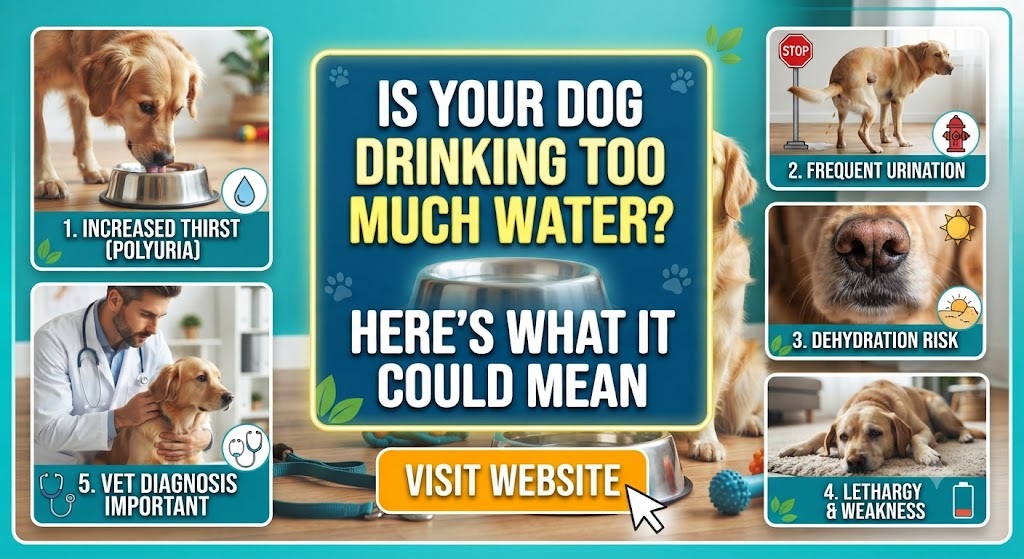
It is the middle of the night, and you hear it—the rhythmic, splashing sound of your dog lapping up water from their bowl for the third time in an hour. Or perhaps you’ve noticed that you are refilling the water dish significantly more often than you used to. While staying hydrated is essential for a dog’s health, a sudden or extreme increase in water consumption—a condition known medically as polydipsia—can be a red flag for various underlying issues ranging from simple lifestyle factors to serious medical emergencies.
As a dog owner, it is natural to feel concerned. Is it just the summer heat, or is it something more sinister like diabetes or kidney disease? In this comprehensive guide, we will break down the science of canine hydration, explore every possible reason for excessive thirst, and help you determine when it is time to call the veterinarian.
Understanding the “Normal”: How Much Water Should a Dog Drink?
Before we dive into why your dog might be drinking too much water, we first need to establish a baseline for what is normal.
Hydration needs are not “one size fits all.” They vary based on a dog’s size, age, activity level, and diet. However, veterinarians generally use a standard rule of thumb:
The Rule of Thumb: A healthy dog should drink approximately 1 ounce (about 30 to 50 milliliters) of water per pound of body weight per day.
To put that into perspective:
- A 10-lb Chihuahua: Should drink about 1.25 cups of water daily.
- A 50-lb Golden Retriever: Should drink about 6.25 cups (around 1.5 liters) daily.
- A 100-lb Great Dane: Should drink about 12.5 cups (around 3 liters) daily.
The Relationship Between Drinking and Peeing
Polydipsia (excessive drinking) is almost always accompanied by polyuria (excessive urination). These two symptoms are the “dynamic duo” of metabolic issues. Usually, a dog drinks more because they are losing too much fluid through their urine, or they are urinating more because they have consumed an excess of water. If you notice your dog is suddenly having accidents in the house or needing to go out every two hours, their water intake is likely the culprit.
Environmental and Lifestyle Factors: The Simple Explanations
Sometimes, the reason for increased thirst isn’t a disease at all. Before panicking, consider these common external factors.
1. High Temperatures and Humidity
This is the most obvious cause. Just like humans, dogs pant to cool themselves down. Panting causes moisture to evaporate from the tongue and lungs. To replace this lost moisture, dogs will naturally drink more. If it’s a scorching July afternoon, a spike in water consumption is perfectly normal.
2. Increased Physical Activity
Did you take your dog on a longer hike than usual? Did they spend the afternoon chasing a ball at the park? Physical exertion requires more hydration. Watch to see if the thirst levels return to normal once the dog has rested and cooled down.
3. Dietary Changes (The Kibble Factor)
What your dog eats significantly impacts how much they drink.
- Dry Kibble: Dry dog food contains only about 6% to 10% water. Dogs on a strictly dry diet will naturally drink more water than those on other diets.
- Canned or Raw Food: These diets can contain up to 75% water. If you recently switched from wet food to dry food, you will see a massive jump in water bowl visits.
- Sodium Content: If your dog snuck some salty human snacks (like pretzels or bacon) or if their dog treats are high in sodium, they will experience a temporary bout of extreme thirst.
Medical Causes: When Thirst Signals an Internal Issue
If the weather is cool, your dog hasn’t been exercising excessively, and their diet is consistent, the cause is likely internal. Here are the most common medical reasons for polydipsia in dogs.
4. Diabetes Mellitus
Diabetes is one of the leading causes of excessive thirst in dogs. When a dog has diabetes, their body either doesn’t produce enough insulin or doesn’t use it effectively. This leads to high blood sugar levels.
The kidneys try to filter out the excess glucose, but glucose is “osmotically active,” meaning it pulls water with it into the urine. This leads to massive fluid loss through urination, which triggers a signal to the brain that the dog is dehydrated, causing them to drink ravenously.
- Other Symptoms: Increased appetite, weight loss despite eating more, and cloudy eyes (cataracts).
5. Kidney Disease (Renal Failure)
The kidneys are responsible for concentrating urine and filtering waste from the blood. If the kidneys are damaged or failing, they lose the ability to concentrate urine. Instead of producing a small amount of concentrated urine, the dog produces a large volume of very dilute urine. To compensate for this constant loss of water, the dog must drink constantly to stay hydrated.
- Other Symptoms: Lethargy, vomiting, loss of appetite, and a “chemical” smell to the breath.
6. Cushing’s Disease (Hyperadrenocorticism)
Cushing’s Disease occurs when the adrenal glands produce too much cortisol (the stress hormone). This is most common in middle-aged and senior dogs. One of the primary physiological effects of excess cortisol is an increase in thirst and urination.
- Other Symptoms: A “pot-bellied” appearance, hair loss, thin skin, and increased panting.
7. Liver Disease
The liver is involved in almost every metabolic process in the body. When the liver is failing, it can lead to a buildup of toxins that affect the brain’s thirst center or interfere with the kidneys’ ability to manage water. Liver issues can be complex, but polydipsia is a frequent early warning sign.
- Other Symptoms: Jaundice (yellowing of the eyes/gums), swelling in the abdomen (ascites), and orange-tinted urine.
8. Pyometra (A Life-Threatening Emergency)
If you have an unspayed female dog, sudden excessive thirst is a critical emergency. Pyometra is a severe infection of the uterus. Toxins produced by the bacteria in the uterus enter the bloodstream and interfere with the kidneys’ ability to retain water.
- Other Symptoms: Lethargy, vaginal discharge, and loss of appetite. If you suspect Pyometra, go to an emergency vet immediately.
9. Hypercalcemia (High Blood Calcium)
High levels of calcium in the blood can be caused by certain types of cancer (like lymphoma or anal gland sac adenocarcinoma) or by accidental ingestion of certain rodenticides. High calcium is toxic to the kidneys and prevents them from concentrating urine, leading to extreme thirst.
Medication Side Effects
If your dog has recently started a new medication, check the list of side effects. Several common veterinary drugs cause increased thirst:
- Prednisone and Other Steroids: Frequently used for allergies or inflammation, steroids are notorious for making dogs extremely thirsty and hungry.
- Diuretics (e.g., Furosemide): Often prescribed for heart failure to help remove fluid from the lungs, these drugs work by increasing urination, which naturally increases thirst.
- Phenobarbital: A common anti-seizure medication that can cause increased thirst as a side effect.
Psychogenic Polydipsia: The Behavioral Root
In some cases, there is nothing physically wrong with the dog. Psychogenic polydipsia is a behavioral condition where a dog drinks water excessively for psychological reasons—boredom, stress, or attention-seeking.
This is essentially a “habit” of drinking. It is most common in young, high-energy puppies or dogs that spend long hours alone without mental stimulation. However, this diagnosis is only made after every other medical possibility has been ruled out by a veterinarian.
How to Measure Your Dog’s Water Intake
If you are going to the vet, “I think he’s drinking more” is helpful, but “He is drinking 100 ounces a day” is much better. Here is how to track it accurately:
- Measure the Volume: Use a measuring cup to fill the bowl at the start of the day (e.g., 8 cups).
- Account for Multiple Pets: If you have other pets, you may need to separate them for 24 hours to get an accurate reading for the specific dog in question.
- Subtract the Remainder: At the end of the 24-hour period, measure how much water is left in the bowl and subtract it from the starting amount.
- Note the Context: Keep a log of how many times the dog asks to go out and if there are any accidents.
When Is It an Emergency? Red Flags to Watch For
While increased thirst is often a chronic issue, sometimes it accompanies an acute crisis. Seek immediate veterinary care if the excessive drinking is paired with:
- Vomiting and Diarrhea: This can lead to rapid dehydration.
- Extreme Lethargy: If your dog can barely lift their head.
- Bloated Abdomen: Could indicate GDV (Bloat) or internal organ failure.
- Pale or Blue Gums: Indicates poor oxygenation or shock.
- Complete Loss of Appetite: Dogs rarely refuse food unless something is significantly wrong.
What to Expect at the Vet: The Diagnostic Process
When you take your dog to the vet for polydipsia, they will likely perform a series of tests to narrow down the cause.
1. Physical Exam
The vet will check for signs of dehydration (skin tenting), feel the abdomen for enlarged organs (liver, kidneys, or a distended uterus), and check the quality of the coat.
2. Urinalysis
This is the most important first step. The vet will look at the Urine Specific Gravity (USG). This measure tells the vet how concentrated the urine is. If the urine is as dilute as water even though the dog is dehydrated, it confirms the kidneys aren’t doing their job. They will also look for glucose (diabetes), protein (kidney disease), or bacteria (UTI).
3. Blood Chemistry Profile & CBC
A Complete Blood Count (CBC) and Chemistry panel will check:
- Blood Glucose: To rule out diabetes.
- BUN and Creatinine: To check kidney function.
- ALT and ALP: To check liver enzymes.
- Electrolytes: To see if the dog is out of balance.
4. Specialized Testing
If the initial tests come back inconclusive, the vet may order:
- ACTH Stimulation Test: To test for Cushing’s or Addison’s disease.
- Abdominal Ultrasound: To get a visual look at the organs.
- Leptospirosis Testing: If the dog has been exposed to wildlife or stagnant water.
Myths About Dog Hydration
There are several misconceptions that can lead owners astray. Let’s clear them up.
- Myth: “Ice cubes are dangerous for dogs.”
- Truth: Ice cubes are perfectly safe for most dogs and can be a great way to slow down a “gulping” drinker or keep them hydrated on a hot day. The only risk is for dogs that might choke on them or break a tooth if they are aggressive chewers.
- Myth: “You should restrict water if your dog pees in the house.”
- Truth: NEVER restrict a dog’s water access unless specifically instructed by a vet. If your dog has a medical condition like kidney failure or diabetes, their body needs that water to flush toxins. Restricting water can lead to rapid dehydration, kidney failure, and death.
- Myth: “Drinking from the toilet is fine.”
- Truth: Toilet water often contains cleaning chemicals or bacteria that can make your dog sick. Keep the lid down and the water bowl full.
Managing a Dog with Excessive Thirst
If your dog is diagnosed with a chronic condition like diabetes or Cushing’s, management becomes the name of the game.
Dietary Adjustments
For diabetic dogs, a high-fiber, low-glycemic diet is usually recommended. For kidney disease, your vet will prescribe a “renal diet” that is lower in phosphorus and protein to reduce the workload on the kidneys.
Consistent Water Access
Provide multiple water stations around the house. Ensure the water is fresh and cool. If you have an elderly dog with mobility issues, make sure they don’t have to walk too far or climb stairs to reach their water.
Frequent “Potty” Breaks
A dog that drinks more must pee more. You may need to hire a dog walker or install a doggie door to prevent painful bladder distention or accidents in the home.
Monitoring
Keep a “hydration journal.” Note any changes in behavior, appetite, or the frequency of water refills. Early detection of a flare-up can save lives.
Summary: The Takeaway for Dog Owners
An empty water bowl might just mean it’s a hot day, but it is often the first “whisper” of an underlying health problem. As a rule: Any change in thirst or urination that lasts more than 24 to 48 hours warrants a visit to the veterinarian.
By paying close attention to your dog’s drinking habits and knowing the difference between a thirsty pup and a sick pup, you are taking the most important step in ensuring they live a long, healthy, and hydrated life. Do not wait for more severe symptoms to appear—when it comes to metabolic diseases, early intervention is the key to a successful prognosis.
Keep the bowl full, keep an eye on the clock, and always trust your intuition as a pet parent. If something feels “off” about your dog’s “slurp-slurp” routine, it probably is.