
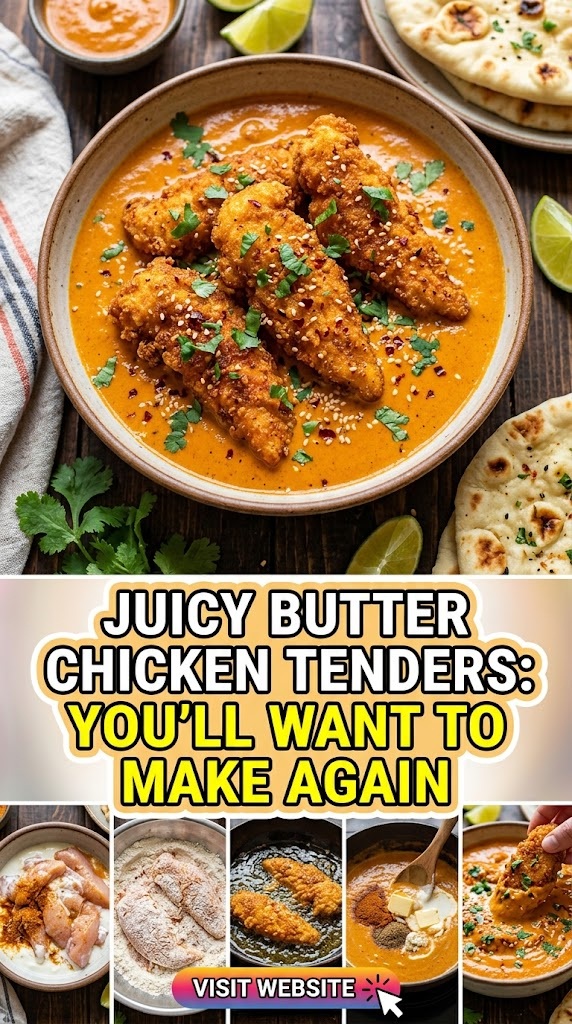
In the vast and flavorful world of culinary arts, few things are as universally loved as the succulent, crispy chicken tender. In the United States, chicken tenders are more than just a menu item; they are a cultural staple, appearing in everything from high-end gastropubs to nostalgic weeknight dinners. But what happens when you take this American classic and infuse it with the rich, aromatic, and velvety soul of India’s most famous export? You get Juicy Butter Chicken Chicken Tenders.
This isn’t just a recipe; it’s a gastronomic experience that bridges the gap between the crunchy satisfaction of a finger food and the sophisticated complexity of Murgh Makhani. If you are looking for a dish that will have your family begging for seconds (and thirds), you’ve found it. This guide will walk you through every nuance of creating the perfect juicy butter chicken tender, from the science of the marinade to the secret of the silky sauce.
Why Butter Chicken Tenders Are the Best Thing You’ll Eat This Year
The magic of this dish lies in the contrast. Traditional Butter Chicken is known for its tender, tandoor-cooked pieces of chicken swimming in a pool of spiced tomato and cream. Chicken tenders, on the other hand, are celebrated for their golden, crispy exterior and portable nature. By combining them, you create a “best of both worlds” scenario.
- Texture Play: You get the crunch of a well-seasoned breading paired with the lusciousness of a butter-based sauce.
- Flavor Depth: Unlike standard tenders that rely on honey mustard or ranch, these are packed with cumin, coriander, garam masala, and the smoky undertones of dried fenugreek.
- Versatility: These work as an appetizer for a Super Bowl party, a main course for a family dinner, or even a decadent sandwich filler.
The Science of the “Juicy” Factor: Why Marination is Non-Negotiable
The word “juicy” isn’t just marketing—it’s a promise. The biggest pitfall of chicken tenders is that they can easily become dry and stringy, especially since they are usually made from chicken breast or the tenderloin. To ensure your Butter Chicken Tenders remain moisture-rich, we employ the traditional Indian technique of yogurt marination.
The Role of Lactic Acid
Yogurt contains lactic acid, which is a mild tenderizer compared to the harsh citric acid found in lemons or vinegar. Lactic acid gently breaks down the protein fibers in the chicken without turning the meat into mush. This allows the moisture to stay trapped inside while the spices penetrate deep into the meat.
The Fat Barrier
Butter chicken is, by definition, rich. By incorporating a small amount of oil or melted butter into the marinade itself, you create a protective barrier that prevents the high heat of cooking from evaporating the natural juices of the poultry.
Essential Ingredients for Authentic Flavor
To make these tenders truly “Google-ranked” quality, you cannot skip on the authenticity of your spices. Here is a breakdown of what you need and why:
1. The Protein
- Chicken Tenderloins: These are the small strips of meat attached to the underside of the breast. They are naturally more tender than the breast itself.
2. The Marinade “Holy Trinity”
- Greek Yogurt: Thick and creamy, it clings to the chicken better than regular yogurt.
- Ginger-Garlic Paste: A staple in Indian cooking. It provides a sharp, aromatic base that cuts through the richness of the cream.
- Kashmiri Red Chili Powder: This is crucial. It provides a vibrant red color without the extreme heat of cayenne pepper. It’s mild, smoky, and beautiful.
3. The Spice Profile
- Garam Masala: A blend of warming spices like cinnamon, cardamom, and cloves.
- Kasuri Methi (Dried Fenugreek Leaves): This is the “secret ingredient.” It provides that distinct, restaurant-style aroma that defines Butter Chicken.
- Ground Cumin and Coriander: For earthy, citrusy undertones.
4. The Sauce Components
- Tomato Puree: Use high-quality, smooth tomato passata for a velvety texture.
- Heavy Cream: To provide that signature mouthfeel.
- Unsalted Butter: Use the best quality you can find; it’s in the name, after all!
The Step-by-Step Master Recipe
Step 1: The Ultimate 24-Hour Marinade
For the best results, you want to marinate your chicken for at least 4 hours, but 24 hours is the sweet spot.
- In a large bowl, whisk together 1/2 cup Greek yogurt, 2 tablespoons ginger-garlic paste, 1 tablespoon Kashmiri chili powder, 1 teaspoon turmeric, 1 teaspoon garam masala, and 1 teaspoon salt.
- Add the chicken tenderloins and massage the marinade into each piece.
- Cover and refrigerate. The enzymes in the yogurt will go to work, ensuring that every bite is incredibly succulent.
Step 2: The Breading (The Fusion Twist)
Traditional butter chicken isn’t breaded, but for these tenders, we want that crunch.
- The Mix: Combine 1 cup of Panko breadcrumbs with 1/2 cup of all-purpose flour. Season this mixture with more garam masala and a pinch of salt.
- The Coating: Remove a tender from the marinade (letting the excess drip off) and dredge it thoroughly in the Panko-flour mix. Press the breading in firmly with your palms.
Step 3: Cooking to Perfection
You have three main options here: frying, baking, or air frying.
- Pan-Frying (Best Flavor): Heat 1/2 inch of neutral oil in a heavy skillet. Fry the tenders for 3-4 minutes per side until golden brown and the internal temperature reaches 165°F.
- Air Frying (Healthier): Spray the breaded tenders with oil and cook at 400°F for 10-12 minutes, flipping halfway through.
- Oven Baking: Place on a wire rack over a baking sheet at 425°F for 15-18 minutes.
Step 4: The Silky Makhani Sauce
While the chicken cooks, prepare the dipping/tossing sauce.
- Melt 3 tablespoons of butter in a pan. Add a pinch of cumin seeds.
- Pour in 1 cup of smooth tomato puree and simmer for 10 minutes until it thickens and darkens.
- Add 1 teaspoon of sugar or honey to balance the acidity of the tomatoes.
- Stir in 1/2 cup of heavy cream and 1 tablespoon of crushed Kasuri Methi.
- Emulsify the sauce until it is glowing orange and thick enough to coat a spoon.
Pro Tips for the “Juiciest” Results
- Room Temperature: Never cook chicken straight from the fridge. Let the marinated tenders sit on the counter for 20 minutes before breading. This ensures even cooking.
- Don’t Overcrowd: Whether frying or air frying, give the tenders space. Overcrowding drops the temperature of the oil/air, leading to soggy breading.
- The Double Dip: For an extra-thick crust, dip the marinated chicken in the flour, then back into a whisked egg, and finally into the Panko.
- Resting Time: Let the tenders rest for 3 minutes after cooking. This allows the juices to redistribute so they don’t run out when you take your first bite.
Cooking Techniques: Deep Dive
The Case for the Air Fryer
In recent years, the air fryer has become the preferred method for making chicken tenders in American households. For Butter Chicken Tenders, the air fryer excels because it circulates hot air around the yogurt-marinated meat, creating a “tandoori-like” environment while crisping the outer breading. To prevent the tenders from drying out in the air fryer, ensure you use a generous spray of avocado or olive oil.
The Traditional Skillet Method
If you want the most authentic “comfort food” experience, pan-frying in a mixture of oil and a little bit of ghee (clarified butter) is the way to go. The ghee adds a nutty depth that complements the spices in the marinade perfectly.
Flavor Variations to Try
1. The Spicy Kick
If you like heat, add finely chopped Thai green chilies to the yogurt marinade. You can also add a teaspoon of Deghi Mirch to the sauce for a sharper spice profile.
2. The Keto-Friendly Version
Skip the Panko and flour. Instead, use crushed pork rinds or almond flour for the coating. Bake them or air fry them as usual. The yogurt marinade keeps them moist even without the traditional gluten coating.
3. The Coconut Twist
For a dairy-free version (though it won’t be traditional “Butter” chicken), use full-fat coconut milk instead of cream and coconut yogurt for the marinade. Use vegan butter or coconut oil for the sauce.
Perfect Pairings and Serving Ideas
How you serve these Juicy Butter Chicken Tenders can elevate the meal from a simple snack to a gourmet feast.
- The Classic Way: Serve the tenders on a platter with the Makhani sauce in a bowl for dipping. Garnish with fresh cilantro and a swirl of cream.
- The “Butter Chicken Sando”: Place two tenders inside a toasted brioche bun. Slather the bun with the Makhani sauce, add some pickled red onions, and a handful of arugula.
- The Rice Bowl: Serve the tenders over a bed of fluffy Basmati rice or Jeera (cumin) rice. Pour the sauce over the top and serve with a side of garlic naan.
- The Fusion Taco: Use small flour tortillas, place a tender inside, top with a drizzle of sauce, and add a “kachumber” salad (diced cucumbers, tomatoes, and onions with lemon juice).
The Importance of High-Quality Spices
To achieve the deep, complex flavor found in high-end Indian restaurants, the quality of your spices is paramount. Supermarket “curry powder” will not suffice here.
- Cumin and Coriander: If possible, toast whole seeds and grind them yourself. The volatile oils released during toasting provide a much more vibrant flavor.
- Cardamom: A tiny pinch of green cardamom powder in the sauce adds a floral note that balances the heavy cream and butter.
- Fenugreek: Ensure you crush the dried leaves between your palms before adding them to the sauce. This releases the oils and the iconic aroma.
Common Mistakes and How to Avoid Them
1. Grainy Sauce
If your sauce feels grainy, it’s likely because the ginger-garlic paste wasn’t cooked down enough or the tomato puree wasn’t smooth. Always use a fine-mesh strainer if you want that ultra-glossy, restaurant-style finish.
2. Breading Falling Off
This happens if the chicken is too wet when it hits the flour. Make sure to shake off excess yogurt marinade. The chicken should be coated, not dripping.
3. Tough Chicken
This is a sign of overcooking. Chicken tenderloins cook very quickly. Use a meat thermometer—165°F is your target. Anything over 175°F and you lose that “juicy” promise.
Frequently Asked Questions (FAQs)
Can I use chicken breast instead of tenderloins?
Yes, but you should slice the breast into even strips. Since breast meat is leaner, the yogurt marination step becomes even more critical to prevent dryness.
Can I make the sauce ahead of time?
Absolutely. The Makhani sauce actually tastes better the next day as the flavors have more time to marry. Store it in an airtight container for up to 4 days. Reheat gently on the stove, adding a splash of water or milk if it has thickened too much.
How do I get that bright orange/red color?
The color comes from two things: the Kashmiri chili powder and the tomato puree. If your sauce looks too pale, you can add a small amount of tomato paste or a drop of natural red food coloring, though Kashmiri chili usually does the trick naturally.
Is this dish kid-friendly?
Yes! Since Kashmiri chili is mild, the dish is more flavorful than “hot.” If your kids are very sensitive to spice, simply reduce the amount of chili powder and garam masala. The creamy, buttery sauce is usually a huge hit with children.
Can I freeze these?
You can freeze the breaded (but uncooked) tenders. Arrange them on a baking sheet to flash-freeze, then transfer to a freezer bag. Cook them directly from frozen, adding a few extra minutes to the cooking time.
Nutritional Considerations
While Butter Chicken is known for being indulgent, you can control the calories by:
- Using low-fat Greek yogurt.
- Baking or air frying instead of deep frying.
- Using half-and-half instead of heavy cream.
- Serving with cauliflower rice instead of white rice.
However, for the full “Juicy Butter Chicken” experience, the occasional indulgence in the full-fat version is highly recommended!
Why This Recipe Works for Modern Home Cooks
In today’s fast-paced world, we crave bold flavors but often lack the hours required for traditional slow-cooked stews. This recipe works because it utilizes the “quick-cook” nature of chicken tenders while using a shortcut version of the Makhani sauce. It delivers the complex taste of a dish that usually takes hours in just about 30 to 45 minutes of active kitchen time.
Furthermore, it taps into the growing trend of “New American” cuisine—a melting pot of global flavors that celebrates diversity on the dinner plate. It’s a dish that feels familiar yet exciting, making it perfect for hosting guests or simply breaking the monotony of the weekly meal rotation.
The Cultural Heritage of Murgh Makhani
Understanding the roots of your food adds to the enjoyment of the meal. Butter Chicken (Murgh Makhani) was invented in the 1950s by Kundan Lal Gujral at the Moti Mahal restaurant in Delhi. He used leftover Tandoori chicken and simmered it in a rich tomato gravy loaded with butter and cream to keep the meat from drying out.
By turning this into “Chicken Tenders,” we are continuing the evolution of this dish. Just as Gujral innovated to solve a problem (dry leftover chicken), we are innovating to bring these incredible flavors to a format that fits the modern, busy lifestyle of the American household.
Conclusion: A New Family Favorite
The Juicy Butter Chicken Chicken Tender is more than just a meal; it’s a conversation starter. It challenges the notion that Indian food must always be a heavy curry and that chicken tenders must always be plain.
When you take that first bite—the crunch of the Panko, the tang of the yogurt, the warmth of the garam masala, and the velvety embrace of the buttery tomato sauce—you’ll understand why this recipe is destined to become a staple in your kitchen. It is the ultimate comfort food for the soul, providing warmth, texture, and an explosion of flavor that lingers long after the plate is empty.
So, gather your spices, marinate your chicken, and get ready to experience the juiciest, most flavorful chicken tenders you have ever tasted. Whether it’s a rainy Tuesday or a celebratory Sunday, these tenders are the answer to the question: “What’s for dinner?”