
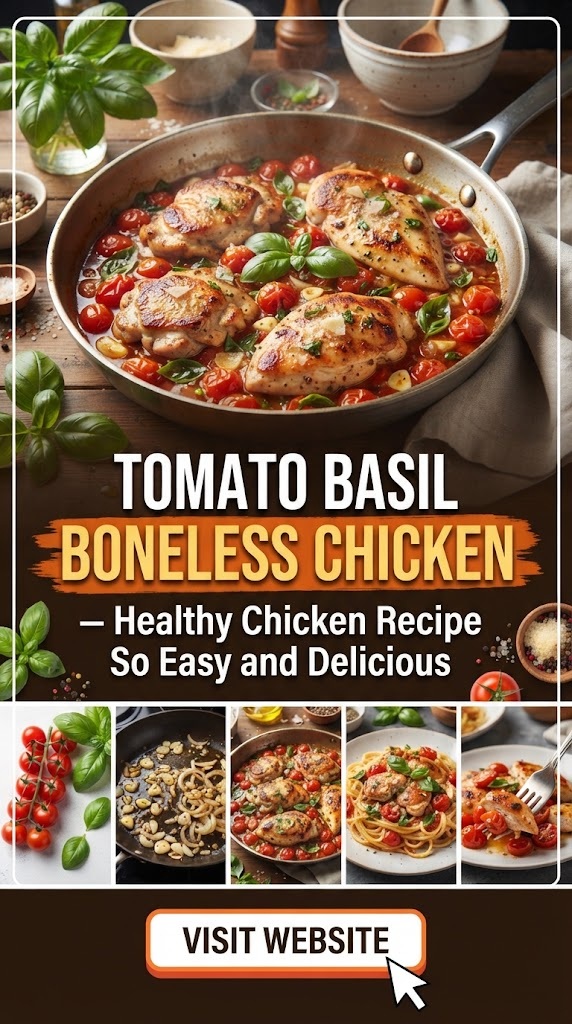
In the fast-paced world of modern living, finding a dinner recipe that balances nutritional density, gourmet flavor, and simplicity is often the “holy grail” for home cooks. Enter the Tomato Basil Boneless Chicken. This dish is more than just a meal; it is a celebration of fresh, vibrant ingredients that come together in a symphony of Mediterranean-inspired flavors.
Whether you are a fitness enthusiast looking for a high-protein, low-carb dinner, a busy parent needing a 30-minute miracle, or a beginner cook wanting to impress, this recipe is your golden ticket. In this comprehensive guide, we will explore every facet of this dish—from the science of searing the perfect chicken breast to the historical roots of its star ingredients.
Why Tomato Basil Boneless Chicken is the King of Weeknight Dinners
The beauty of this recipe lies in its simplicity. With less than ten core ingredients, it manages to deliver a profile that tastes like it spent hours simmering in a rustic Italian kitchen.
1. Nutritional Powerhouse
Boneless chicken is one of the leanest sources of high-quality protein available. When paired with tomatoes—loaded with the antioxidant lycopene—and fresh basil, which contains essential oils with anti-inflammatory properties, you aren’t just eating; you are fueling your body with medicine.
2. Versatility at Its Best
This dish is a “chameleon.” Serve it over a bed of zoodles (zucchini noodles) for a keto-friendly feast, toss it with al dente linguine for a classic pasta night, or layer it over quinoa for a complex carbohydrate boost.
3. Minimal Cleanup
The best version of this recipe is made in a single large skillet. Fewer dishes mean more time enjoying your evening and less time scrubing at the sink.
The Anatomy of Ingredients: Sourcing for Excellence
To make a truly exceptional Tomato Basil Boneless Chicken, the quality of your ingredients will dictate the final outcome. Because the flavor profile is so clean, there is nowhere for subpar ingredients to hide.
The Chicken: Breast vs. Thighs
The debate between boneless, skinless chicken breasts and boneless chicken thighs is eternal.
- Chicken Breasts: These are the traditional choice for health-conscious eaters. They are lean and provide a clean slate for the tomato and basil flavors. The key is to avoid overcooking them to ensure they stay juicy.
- Chicken Thighs: If you prefer a richer, more succulent bite, thighs are the way to go. They are more forgiving of high heat and have a deeper “chicken” flavor due to their slightly higher fat content.
The Tomatoes: Fresh vs. Canned
- Cherry or Grape Tomatoes: These are the preferred choice for this recipe. When sautéed, they “pop,” creating a natural, chunky sauce that is sweet and concentrated.
- Roma Tomatoes: If using larger tomatoes, Romas are best because they have less water and more “meat,” preventing your sauce from becoming too watery.
- Canned San Marzano: In the dead of winter when fresh tomatoes lack flavor, a can of high-quality San Marzano crushed tomatoes can be a lifesaver.
The Basil: Freshness is Non-Negotiable
Dried basil has its place in stews, but in this dish, it is a cardinal sin. Fresh basil provides a peppery, slightly minty, and sweet aroma that defines the meal. Look for leaves that are vibrant green without any dark bruising.
The Garlic and Aromatics
Never use the pre-minced garlic from a jar. It lacks the pungent, spicy bite of fresh cloves. For this recipe, we recommend thinly slicing the garlic rather than mincing it; this allows it to toast in the oil without burning as easily.
The Master Recipe: Step-by-Step Instructions
This method focuses on a one-pan “Skillet Sear and Simmer” technique that ensures the chicken remains tender while the tomatoes break down into a luscious sauce.
Ingredients List
- Chicken: 1.5 lbs boneless, skinless chicken breasts (pounded to even thickness).
- Tomatoes: 2 cups cherry tomatoes, halved.
- Basil: 1 cup fresh basil leaves, chiffonaded (cut into thin ribbons).
- Garlic: 4 cloves, thinly sliced.
- Olive Oil: 2 tablespoons extra virgin.
- Balsamic Vinegar: 1 tablespoon (adds depth and acidity).
- Seasoning: Sea salt, freshly cracked black pepper, and a pinch of red pepper flakes.
- Optional: 1/4 cup freshly grated Parmesan or small mozzarella pearls.
Phase 1: Prepping the Chicken
One of the biggest mistakes in chicken recipes is uneven cooking. Use a meat mallet to gently pound the thicker part of the chicken breast so the entire piece is of uniform thickness. This ensures the edges don’t dry out before the center is cooked. Season both sides generously with salt and pepper.
Phase 2: The Sear
Heat the olive oil in a large skillet over medium-high heat. Once the oil shimmers, add the chicken. Do not crowd the pan. If the chicken pieces are touching, they will steam instead of brown. Sear for 5–6 minutes per side until a golden-brown crust forms. Remove the chicken from the pan and set it aside on a plate.
Phase 3: Building the Sauce
In the same pan (don’t wash it! those brown bits are flavor gold), add the halved cherry tomatoes and sliced garlic. Sauté for about 3–4 minutes. You will notice the tomatoes beginning to soften and release their juices. Use a wooden spoon to scrape the bottom of the pan.
Phase 4: The Deglaze and Simmer
Add the balsamic vinegar and a splash of water (or chicken broth). This will deglaze the pan. Add the red pepper flakes for a subtle heat. Return the chicken and its accumulated juices to the pan. Cover and simmer on low for 5 minutes, or until the chicken reaches an internal temperature of 165°F (74°C).
Phase 5: The Finishing Touch
Turn off the heat. This is crucial: add the fresh basil last. Basil is delicate; if you cook it too long, it turns black and loses its fragrance. Stir in the basil ribbons and top with Parmesan or mozzarella if desired. The residual heat will melt the cheese and slightly wilt the basil.
Deep Dive: The Science of Flavor Pairing
Why does tomato and basil work so well together? It’s not just tradition; it’s chemistry. Tomatoes are rich in umami, the “fifth taste” that provides a savory, mouth-watering sensation. Basil contains a compound called estragole, which mimics the sweetness of the tomato while providing a counter-balance to the tomato’s acidity.
When you add chicken to this mix, you are adding a protein structure that absorbs these volatile aromatic compounds. The addition of garlic provides the sulfurous backbone that ties the sweetness of the fruit and the freshness of the herb together.
Nutritional Breakdown: Why Your Body Will Thank You
In an era of processed foods, the Tomato Basil Boneless Chicken stands out as a clean-eating staple.
High Protein for Muscle Repair
A standard 6-ounce serving of boneless chicken breast provides approximately 45-50 grams of protein. This is essential for muscle synthesis, metabolic health, and keeping you satiated throughout the evening, preventing late-night snacking.
Lycopene and Heart Health
Cooked tomatoes are actually healthier than raw ones in some aspects. Heating tomatoes breaks down the cell walls, making the lycopene more bioavailable for your body to absorb. Lycopene is linked to reduced risks of heart disease and certain types of cancer.
Low Glycemic Index
This recipe has almost zero impact on blood sugar levels, making it an ideal choice for diabetics or those following a low-carb or ketogenic lifestyle. By avoiding heavy creams or sugary marinades, the natural flavors of the ingredients shine through without the caloric baggage.
Expert Tips for the Best Results
Even a simple recipe has nuances. Here are the “pro secrets” to elevating your Tomato Basil Chicken from good to legendary.
1. The “Resting” Period
Never cut into your chicken immediately after taking it out of the pan. Let it rest for 5 minutes. This allows the juices to redistribute through the muscle fibers. If you cut it too soon, all that moisture will end up on your plate instead of in the meat.
2. Use a Cast Iron Skillet
If you have one, use it. Cast iron retains heat better than stainless steel or non-stick pans, providing a superior sear and more consistent caramelization of the tomatoes.
3. The Salt Timing
Salt your tomatoes while they are sautéing. This draws out their moisture, helping them break down into a sauce faster. However, don’t over-salt the chicken initially, as the sauce will reduce and concentrate the saltiness.
4. Fresh Pepper Matters
Pre-ground black pepper often tastes like dust. Invest in a high-quality pepper mill. The volatile oils in freshly cracked peppercorns provide a floral heat that perfectly complements the basil.
Creative Variations to Keep Things Exciting
Once you have mastered the base recipe, you can start experimenting. Here are four ways to transform the dish:
The “Creamy Tuscan” Twist
If you aren’t strictly watching calories, add 1/2 cup of heavy cream and 1/2 cup of chopped spinach during the simmering phase. This creates a rich, velvety sauce that is reminiscent of North Italian comfort food.
The Mediterranean Power Bowl
Add Kalamata olives, artichoke hearts, and feta cheese to the tomato mixture. Serve this over a bed of farro or couscous for a fiber-rich meal that feels like a trip to the Greek islands.
The Spicy Arrabbiata Version
Increase the red pepper flakes to 1 teaspoon and add a tablespoon of tomato paste. This creates a darker, more intense sauce with a significant “kick” for those who love spicy food.
The Sheet Pan Method
Short on time? Toss the chicken, tomatoes, and whole garlic cloves in olive oil on a large baking sheet. Roast at 400°F (200°C) for 20 minutes. Toss with fresh basil once it comes out of the oven. This version results in “roasted” flavors that are deeper and more concentrated.
Meal Prep and Storage: The Busy Person’s Guide
This recipe is a meal-prepper’s dream because it actually tastes better the next day as the flavors have more time to meld.
- Fridge Life: Store in an airtight container for up to 4 days.
- Reheating: To prevent the chicken from becoming rubbery, reheat it in a skillet over low heat with a tablespoon of water or broth. Cover the pan to create steam. If using a microwave, use 50% power and heat in short bursts.
- Freezing: You can freeze the cooked chicken and sauce for up to 3 months. However, the basil will lose its texture upon thawing. We recommend adding fresh basil after reheating the frozen portions.
Common Mistakes to Avoid
- Using Dried Basil: As mentioned, it lacks the aromatic profile needed for this specific dish. If you don’t have fresh, use fresh parsley or oregano instead, but never dried basil.
- Overcrowding the Pan: This leads to “gray” chicken. You want that golden-brown crust!
- Burning the Garlic: Garlic turns bitter when burnt. If your pan is too hot, add the garlic after the tomatoes have already released some liquid to act as a buffer.
- Not Pounding the Chicken: Uneven chicken breasts mean one half is raw while the other is dry. Five minutes with a meat mallet (or the bottom of a heavy pan) solves this.
Sourcing the Best Ingredients in the USA
Depending on where you live in the United States, your access to ingredients might vary by season.
- Summer (June–September): This is the golden era. Visit your local Farmer’s Markets. Look for heirloom cherry tomatoes like “Sun Golds”—they are incredibly sweet and will make this dish taste like candy.
- Winter (December–March): Fresh tomatoes in grocery stores can be mealy and flavorless during winter. During these months, opt for “on-the-vine” greenhouse-grown tomatoes or high-quality canned whole peeled tomatoes that you crush by hand.
- Organic vs. Conventional: Since the skin of the tomato is consumed, buying organic is recommended to avoid pesticide residue. For chicken, look for “Air-Chilled” labels; these chickens aren’t soaked in water during processing, meaning they sear better and have a more concentrated flavor.
Pairing Suggestions: What to Serve Alongside
To make this a complete meal, consider these pairings:
For the Low-Carb Enthusiast
- Cauliflower Mash: A creamy, buttery cauliflower puree soaks up the tomato juices beautifully.
- Roasted Asparagus: The earthiness of asparagus provides a nice contrast to the sweet acidity of the chicken.
For the Comfort Seeker
- Garlic Bread: Essential for “scarpetta”—the Italian tradition of mopping up the remaining sauce with bread.
- Orzo Pasta: These rice-shaped pasta grains are perfect for catching the small bits of tomato and garlic.
For the Health Nut
- Quinoa Salad: Tossed with lemon and parsley, quinoa adds a nutty texture and a complete protein profile.
- Steamed Broccoli: A simple side that doesn’t distract from the main flavors.
The Cultural Significance of Tomato and Basil
The combination of tomato and basil is iconic, specifically in the Campania region of Italy. It represents the colors of the Italian flag (Green basil, White chicken/cheese, Red tomatoes). While this specific boneless chicken preparation is a more modern American evolution, it pays homage to the “Insalata Caprese” and “Pasta al Pomodoro” traditions.
In the USA, this dish gained massive popularity in the 1990s during the Mediterranean Diet boom and has remained a staple because it satisfies the American desire for quick, protein-centric meals while utilizing the fresh-tasting ingredients of Italian cuisine.
Frequently Asked Questions (FAQ)
Can I use frozen chicken?
Yes, but ensure it is completely thawed and patted dry with paper towels before cooking. Excess moisture on the surface of the chicken will prevent it from browning.
Is this recipe gluten-free?
Naturally, yes! Just ensure your balsamic vinegar doesn’t have any added caramel coloring that might contain gluten (though most high-quality ones are safe).
What if my sauce is too acidic?
If your tomatoes are particularly tart, add a tiny pinch of sugar (just a teaspoon) to the sauce. This balances the pH and brings out the natural sweetness of the fruit.
Can I use a slow cooker?
While you can, you will lose the wonderful texture of the seared chicken. If you must use a slow cooker, sear the chicken first, then place everything in the crockpot on low for 3–4 hours. Add the basil only at the very end.
Conclusion: Elevate Your Dinner Table
The Tomato Basil Boneless Chicken is a testament to the fact that you don’t need a culinary degree or a kitchen full of expensive gadgets to create a world-class meal. By focusing on the quality of your ingredients—the snap of a fresh tomato, the fragrance of a basil leaf, and the perfect sear on a piece of chicken—you create something that is both nourishing and indulgent.
This recipe invites you to slow down, enjoy the process of cooking, and savor the clean, bright flavors of the Mediterranean. It is a dish that fits into any lifestyle, whether you are trying to lose weight, build muscle, or simply feed your family something that doesn’t come out of a box.
Next time you are at the grocery store, skip the frozen aisle and head straight for the produce section. Grab a bunch of basil, a carton of cherry tomatoes, and some fresh chicken. Your kitchen is about to become your favorite restaurant.
Final Summary Table for Quick Reference
| Feature | Description |
|---|---|
| Primary Protein | Boneless, Skinless Chicken Breast or Thighs |
| Key Flavor Profile | Sweet, Savory, Herbaceous, Garlicky |
| Dietary Suitability | Keto, Paleo, Gluten-Free, Whole30 (omit cheese) |
| Prep Time | 10 Minutes |
| Cook Time | 20 Minutes |
| Difficulty Level | Easy |
| Best Season | Summer (for fresh tomatoes and basil) |
By following this guide, you aren’t just making a meal; you are mastering a technique that will serve you for years to come. The Tomato Basil Boneless Chicken is a classic for a reason—it’s time to make it a classic in your home.