
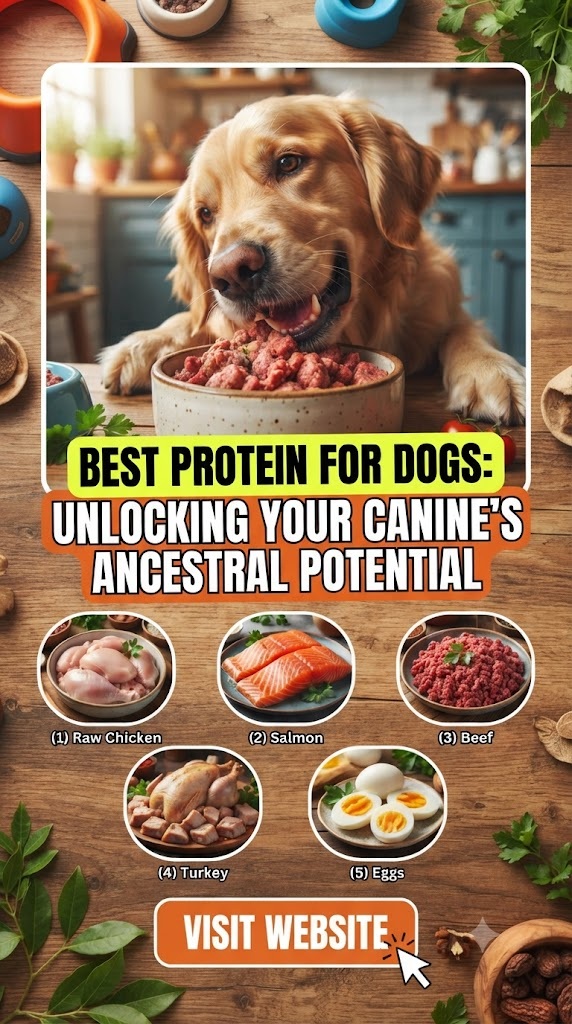
Best Protein for Dogs: Unlocking Your Canine’s Ancestral Potential
When you look into your dog’s eyes, you aren’t just looking at a “pet.” You are looking at a biological masterpiece, a descendant of the gray wolf, and a creature whose entire physiological framework is built around one vital macronutrient: protein.
Protein is the cornerstone of canine health. It builds muscle, repairs tissue, creates hormones, ensures a shiny coat, and powers the immune system. But in a world saturated with marketing jargon, “premium” labels, and conflicting dietary advice, one question remains: What is the best protein for dogs?
The answer isn’t a simple one-word response. It’s a journey through biology, bioavailability, and ancestral wisdom. In this comprehensive guide, we will break down the top protein sources, debunk common myths, and help you choose the perfect fuel for your four-legged companion.
Why Protein is the Lifeblood of Your Dog’s Health
To understand the “best” protein, we must first understand what protein actually does. Dogs are facultative carnivores. While they can digest some plant matter, their bodies are optimized to thrive on animal-based proteins.
The Building Blocks: Amino Acids
Proteins are made of 22 amino acids. Dogs can produce 12 of these internally, but the remaining 10 are “essential amino acids,” meaning they must be obtained through their diet. These include:
- Arginine
- Histidine
- Isoleucine
- Leucine
- Lysine
- Methionine
- Phenylalanine
- Threonine
- Tryptophan
- Valine
A “complete” protein contains all ten of these in the correct proportions. Animal proteins are almost always complete, whereas plant proteins (like peas or corn) often lack one or more, making them “incomplete.”
The Biological Value (BV) Scale
Not all proteins are created equal. Scientists use the Biological Value (BV) scale to measure how efficiently a dog’s body can absorb and utilize a protein.
- Eggs: BV 100 (The Gold Standard)
- Fish Meal/Fresh Fish: BV 92
- Beef: BV 78
- Chicken: BV 74
- Soy: BV 67
- Wheat Gluten: BV 40
The higher the BV, the less “waste” there is, and the more nourishment your dog receives.
Animal Protein vs. Plant Protein: The Great Debate
In recent years, “grain-free” and “vegan” dog foods have flooded the market. While plants can provide some protein, they are not the optimal source for a canine.
The Problem with Plant Protein
- Bioavailability: As shown above, dogs struggle to absorb plant proteins efficiently.
- Antinutrients: Many plants (like legumes) contain lectins and phytates that can interfere with the absorption of minerals.
- The Taurine Connection: Some studies have linked heavy reliance on legumes (peas/lentils) instead of animal meat to Dilated Cardiomyopathy (DCM), a serious heart condition, potentially due to a lack of naturally occurring taurine found in meat.
The Power of Animal Protein
Animal meat provides heme iron, Vitamin B12, and a full spectrum of amino acids that plants simply cannot match. For a dog to thrive—not just survive—animal protein must be the primary ingredient in their bowl.
Top 10 Best Protein Sources for Dogs (Ranked)
Let’s dive into the specifics. Here are the top-tier proteins you should look for in your dog’s food or add to their bowl as fresh toppers.
1. Whole Eggs (The Nutritional Powerhouse)
Eggs are arguably the best protein source for dogs. They have the highest biological value and are packed with riboflavin, selenium, and Vitamin A.
- Best for: All dogs, especially those needing a coat boost.
- Tip: Feed them cooked to avoid biotin deficiency (though occasional raw yolks are generally safe).
2. Fish (Salmon, Sardines, and Mackerel)
Fish is a “super-protein.” Beyond its high amino acid profile, it is the premier source of Omega-3 fatty acids (EPA and DHA).
- Benefits: Reduces inflammation, supports brain health, and creates a “show-dog” shine on the coat.
- Caution: Avoid large predatory fish like tuna due to mercury risks. Stick to smaller, “oily” fish.
3. Beef (The Classic Muscle Builder)
Beef is rich in iron, zinc, and Vitamin B12. It is a calorie-dense protein that provides the energy needed for active breeds.
- Best for: High-energy dogs, working breeds, and puppies.
- Tip: Look for grass-fed beef if possible, as it contains higher levels of Omega-3s.
4. Turkey (The Lean Lean-In)
Turkey is often more digestible than chicken and is significantly leaner than beef. It’s an excellent choice for dogs who need to watch their weight.
- Benefits: High in phosphorus and riboflavin.
- Best for: Overweight dogs or those with sensitive stomachs.
5. Chicken (The Accessible Staple)
Chicken is the most common protein in the industry because it’s affordable and effective. It provides a great balance of fat and protein.
- Caution: Chicken is one of the most common allergens for dogs. If your dog is itching or has ear infections, chicken might be the culprit.
6. Lamb (The Energy Dense Alternative)
Lamb is a “red meat” alternative that is often used for dogs with allergies to beef or chicken. It is very palatable and high in fat.
- Best for: Hard-keepers (dogs who struggle to keep weight on).
7. Duck (The Hypoallergenic Gourmet)
Duck is a “novel” protein for many dogs. It is rich in iron and provides a flavor profile that even the pickiest eaters usually can’t resist.
- Best for: Picky eaters and dogs with food sensitivities.
8. Venison (Wild-Caught Nutrition)
Venison (deer meat) is leaner than beef and comes from animals that are typically pasture-raised or wild. It contains fewer hormones and antibiotics.
- Benefits: Excellent for dogs with multiple food allergies.
9. Rabbit (The Ancestral Choice)
In the wild, canines eat small prey. Rabbit is biologically appropriate, high in protein, and very low in cholesterol.
- Best for: Dogs on an “Elimination Diet” to find allergy triggers.
10. Bison (The Lean Red Meat)
Bison is similar to beef but leaner and usually raised more sustainably. It’s a great way to give your dog the benefits of red meat without the excess fat.
Novelty Proteins: The Secret to Managing Allergies
Is your dog constantly scratching? Do they have “rusty” paws from licking or chronic ear infections? These are classic signs of a food allergy, and the culprit is almost always the protein source.
Most dogs are allergic to the proteins they have been exposed to the most: Chicken and Beef.
What is a Novel Protein?
A novel protein is simply a protein your dog has never eaten before. Because their immune system hasn’t encountered it, it’s less likely to trigger an allergic reaction.
- Popular Novel Proteins: Kangaroo, Alligator, Quail, Venison, and Rabbit.
If you suspect an allergy, switching to a single-source novel protein diet for 8–12 weeks can be life-changing for your dog’s comfort.
The “Secret” Ingredients: Organ Meats (Nature’s Multivitamins)
When we talk about protein, we shouldn’t just talk about muscle meat. In the wild, a wolf eats the “whole prey,” including the organs. Organ meats are the most nutrient-dense parts of any animal.
- Liver: High in Vitamin A, copper, and iron. (Limit to 5-10% of diet).
- Heart: Technically a muscle, but rich in Taurine and CoQ10 (essential for heart health).
- Kidney: Packed with Vitamin B12 and Vitamin D.
- Tripe (Green Tripe): The stomach lining of ruminant animals. It is full of probiotics and digestive enzymes. It smells terrible to humans but is “dog gold.”
Raw vs. Cooked vs. Kibble: Which is Best?
The delivery of the protein matters almost as much as the source itself.
1. Raw Diet (Biologically Appropriate Raw Food – BARF)
- Pros: Most natural state; enzymes remain intact; highly bioavailable.
- Cons: Risk of bacterial contamination (Salmonella/Listeria) if not handled properly; difficulty in balancing nutrients.
2. Gently Cooked (The Happy Medium)
- Pros: Kills bacteria while maintaining high digestibility and nutrient density. Many “fresh food” brands use this method.
- Cons: More expensive than kibble.
3. High-Quality Kibble
- Pros: Convenient, shelf-stable, and usually nutritionally balanced.
- Cons: The high-heat process (extrusion) can denature proteins and destroy some natural vitamins, requiring synthetic additives.
How to Spot “Fake” Protein on Dog Food Labels
The pet food industry is masterfully deceptive. Here is how to read a label like a pro:
1. The “Names” Rule
- “Chicken”: Must be 95% chicken.
- “Chicken Dinner/Entree”: Only needs to be 25% chicken.
- “With Chicken”: Only needs to be 3% chicken.
- “Chicken Flavor”: Needs 0% actual meat; just enough to be detected by the dog.
2. Meat “Meal” vs. Fresh Meat
Many people think “Chicken Meal” is bad. Actually, it can be better! Fresh chicken is 70% water. Once cooked into kibble, that water is gone, and the actual protein amount shrinks. “Meal” is already rendered and concentrated, providing a more consistent protein hit. However, ensure it’s a named meal (e.g., “Beef Meal,” not “Meat Meal” or “Animal Meal”).
3. Protein Splitting
Manufacturers often list “Peas,” “Pea Protein,” and “Pea Flour” separately. This is a trick to prevent “Peas” from appearing as the #1 ingredient, even though the total amount of pea products outweighs the meat.
Protein Requirements by Life Stage
Your dog’s protein needs will shift as they age. One size does not fit all.
Puppies (The Growth Phase)
Puppies require high protein (25-30% DM) to support their rapidly growing bones, muscles, and tissues. A deficiency here can lead to stunted growth and a weak immune system.
Adult Dogs (The Maintenance Phase)
Most adult dogs thrive on 18-25% protein. Active or working dogs (like Border Collies or Huskies) may require 30% or more to maintain their stamina.
Seniors (The Preservation Phase)
There is a common myth that seniors need less protein to protect their kidneys. This is false. Unless a dog has diagnosed kidney disease, seniors actually need higher quality and often more protein to prevent muscle wasting (sarcopenia).
Common Signs Your Dog is Getting the Wrong Protein
How do you know if your current protein choice isn’t working? Look for these “Viral” red flags:
- The “Doggy Smell”: Healthy dogs shouldn’t stink. A strong, funky odor often comes from poor-quality protein or gut inflammation.
- Lackluster Coat: If the fur is brittle or dull, they aren’t getting enough amino acids or Omega-3s.
- Soft Stools: Consistent diarrhea usually means the protein is too hard to digest or is triggering a sensitivity.
- Low Energy: If your dog seems lethargic, they might be burning through low-quality fillers instead of getting sustained energy from meat.
- Excessive Shedding: While some shedding is normal, extreme “clumping” can indicate a nutritional deficiency.
Top 5 Protein Myths Debunked
- Myth: High protein causes kidney failure.
- Truth: High protein does not cause kidney failure in healthy dogs. It only becomes a concern if the kidneys are already failing and can no longer process nitrogen waste.
- Myth: Dogs are omnivores.
- Truth: Dogs are scavenging carnivores. They have the ability to digest carbohydrates, but their anatomy (teeth, gut length, enzymes) is designed for meat.
- Myth: Raw meat makes dogs aggressive.
- Truth: There is zero scientific evidence linking raw meat to behavioral aggression. If anything, a better diet leads to better behavior due to improved gut-brain health.
- Myth: All “By-Products” are trash.
- Truth: While “Animal By-Products” (unnamed) are sketchy, specific by-products like organs (liver, lungs, etc.) are incredibly nutritious.
- Myth: Grain-free means high protein.
- Truth: Many grain-free foods simply replace corn with potatoes or peas, which doesn’t necessarily increase the actual meat content.
The Verdict: What is the Best Protein?
If we have to pick a winner based on science, bioavailability, and overall health benefits:
The Gold Medal goes to a rotation of Whole Eggs and Oily Fish (Salmon/Sardines).
However, for a daily staple, Turkey and Venison stand out as the most digestible and least allergenic options for the average modern dog.
The Power of Rotation
The best thing you can do for your dog is rotation. Do not feed them the exact same chicken kibble for ten years. By rotating protein sources (e.g., Beef this month, Fish the next), you:
- Provide a wider array of amino acids.
- Prevent the development of food allergies.
- Keep your dog excited about mealtime.
Conclusion: Investing in Your Dog’s Longevity
Choosing the best protein for your dog isn’t just about satisfying their hunger—it’s about providing the literal building blocks for a longer, happier life. Whether you choose to feed a raw ancestral diet, a gently cooked fresh plan, or a high-quality kibble topped with fresh eggs, the focus should always be on animal-sourced, highly bioavailable protein.
Your dog is an athlete, a guardian, and a family member. Feed them like one. By prioritizing high-quality meat over cheap fillers, you are reducing future vet bills and, more importantly, giving your best friend the vitality they deserve.
Next Steps:
- Check your current dog food label. Is a named meat the first ingredient?
- Try adding a soft-boiled egg to your dog’s breakfast tomorrow.
- Observe their energy levels and coat shine over the next 30 days.
The transformation might just surprise you.