
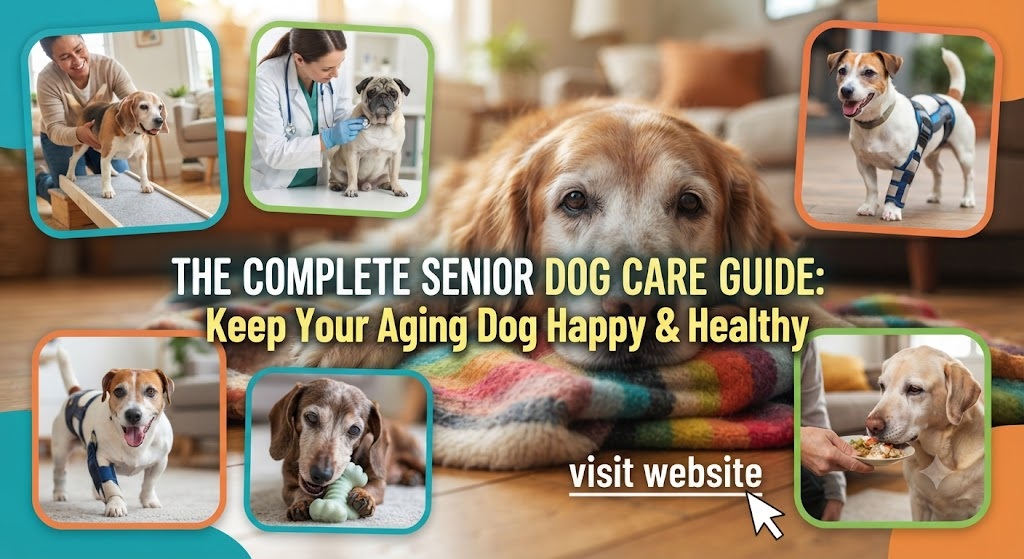
Master Guide to Caring for Your Senior Dog
There is a specific kind of magic that comes with a senior dog. It’s in the way their muzzle turns a distinguished silver, the way they can communicate an entire sentence with a single, slow blink, and the profound, soulful bond that only years of companionship can forge. While puppies bring chaos and excitement, senior dogs bring a serene, deep-rooted loyalty that is truly unparalleled.
However, as our canine companions enter their “golden years,” their needs change dramatically. Caring for an aging dog requires a shift in perspective—from high-energy play to mindful comfort, and from preventative care to proactive management. This guide is the most comprehensive resource available to help you navigate the complexities of senior dog ownership, ensuring your best friend enjoys a life of comfort, dignity, and joy until the very end.
1. When Does a Dog Actually Become a “Senior”?
The first mistake many owners make is assuming all dogs age at the same rate. In the canine world, size is the ultimate predictor of longevity.
- Small Breeds (under 20 lbs): Usually considered “senior” around 10 to 12 years old. These dogs often live well into their mid-teens.
- Medium Breeds (20-50 lbs): Hit the senior milestone at approximately 8 to 9 years old.
- Large Breeds (50-100 lbs): Enter their senior years at 7 years old.
- Giant Breeds (over 100 lbs): Can be considered senior as early as 5 or 6 years old.
Understanding your dog’s biological clock allows you to begin “senior protocols” early, which can add years to their life.
2. Nutrition: Fueling the Silver Muzzle
Metabolisms slow down, but the need for high-quality nutrition increases. Feeding a senior dog isn’t just about “senior kibble”; it’s about targeted nutrition.
Caloric Management
Obesity is the number one enemy of the senior dog. Even two extra pounds can put devastating pressure on aging joints and strain a weakening heart.
- Lower Calories, Higher Volume: Look for foods with higher fiber to help your dog feel full without the calorie load.
- Protein is Still King: Unless your dog has specific kidney issues, they still need high-quality protein to maintain muscle mass (sarcopenia is common in aging dogs).
Hydration is Life
Older dogs are more prone to dehydration, often due to kidney decline or medications.
- Switch to Wet Food: Mixing canned food or bone broth (low sodium) into kibble increases water intake.
- Multiple Water Stations: Ensure your dog doesn’t have to walk across the whole house to find a drink.
The “Superfood” Boost
Consider adding these to their bowl:
- Blueberries: Packed with antioxidants for cognitive health.
- Pumpkin: Great for digestion and fiber.
- Omega-3 Fish Oil: Vital for brain health and reducing joint inflammation.
3. Mobility and Joint Health: Keeping the Spring in Their Step
Watching a dog struggle to stand up is heartbreaking, but arthritis doesn’t have to mean the end of activity.
The Power of Supplements
Don’t wait for your dog to limp to start supplements.
- Glucosamine and Chondroitin: The building blocks of cartilage.
- MSM: A natural anti-inflammatory.
- Green-Lipped Mussel: A powerhouse for joint lubrication.
- CBD Oil: Many owners report significant success using high-quality, THC-free CBD to manage chronic pain and anxiety.
Orthopedic Support
Your dog’s $20 bargain bed isn’t cutting it anymore. Senior dogs need true orthopedic memory foam. This supports their pressure points and prevents the “stiffness” that occurs after a long nap.
Home Modifications
- Ramps and Steps: Teach your dog to use ramps for the car or the sofa before they actually need them.
- Non-Slip Surfaces: Hardwood floors are like ice to a senior dog with weak hips. Use yoga mats or area rugs to create “safe paths” around the house.
- Toe Grips or Booties: If your dog struggles with “spraddling” on slippery floors, look into traction aids.
4. The “Silent Killer”: Dental Health in Seniors
One of the most overlooked aspects of senior care is the mouth. Periodontal disease is more than just bad breath; it is a direct gateway to systemic organ failure.
Bacteria from infected gums enter the bloodstream and travel directly to the heart valves, kidneys, and liver. A senior dog with a “rotten mouth” is essentially living with a constant, low-grade infection that taxes their immune system every single day.
- Professional Cleanings: Many owners fear anesthesia for seniors. However, modern veterinary medicine makes anesthesia very safe for seniors with proper pre-op bloodwork.
- Daily Brushing: Even if you start late, brushing can slow the progression of plaque.
- Water Additives: Use enzymatic cleaners in their water bowl to help break down biofilm.
5. Cognitive Health: Understanding “Doggy Dementia”
Canine Cognitive Dysfunction (CCD) is the dog version of Alzheimer’s. It affects a staggering number of senior dogs but is often dismissed as just “getting old.”
Signs of CCD:
- Disorientation: Getting stuck in corners or behind furniture.
- Interaction Changes: No longer greeting you at the door or becoming unusually clingy/withdrawn.
- Sleep-Wake Cycle Disturbance: Pacing and barking at night, sleeping all day.
- House Soiling: Forgetting “potty training” they’ve known for years.
How to Combat Cognitive Decline:
- Puzzles and Enrichment: Use snuffle mats and food puzzles to keep the neurons firing.
- Novelty: Change your walk route slightly. New smells are like a workout for the brain.
- Prescription Diets: Some foods (like Purina Pro Plan Bright Mind) contain Medium Chain Triglycerides (MCTs) that provide an alternative energy source for aging brains.
6. Veterinary Care: The Bi-Annual Rule
Once your dog hits the senior mark, the “once a year” vet visit is no longer sufficient. Dogs age 5-7 years for every human year; a lot can happen in six months.
The Senior Wellness Exam
Insist on these specific tests twice a year:
- Full Blood Panel: To check kidney and liver function.
- Urinalysis: To catch early signs of diabetes or urinary tract infections (which can cause sudden behavioral changes).
- Blood Pressure Monitoring: High blood pressure can lead to blindness and strokes.
- Lump Mapping: Keep a chart of every lump and bump. Use a fine-needle aspirate (FNA) to check if a “fatty tumor” is actually something more sinister.
7. Vision and Hearing Loss: Navigating a Fading World
Most dogs will experience some level of nuclear sclerosis (cloudiness of the eye) or cataracts. Similarly, hearing often fades.
Adapting to Vision Loss:
- Don’t Move the Furniture: Blind dogs map their homes. Changing the layout can be terrifying for them.
- Scent Markers: Use a tiny drop of lavender oil on table legs or essential oils to mark different rooms so the dog can “smell” their way around.
- Halo Harnesses: These provide a buffer so the dog doesn’t “bonk” their nose into walls.
Adapting to Hearing Loss:
- Hand Signals: If your dog still has sight, start pairing verbal commands with clear hand signals now.
- Vibrating Collars: Use a collar with a “vibrate” (not shock) setting to get their attention when they are off-leash or in the yard.
8. The Senior Dog “Bucket List”: Viral Ideas for Engagement
Caring for a senior dog isn’t just about medicine; it’s about making memories. Creating a “Senior Bucket List” is a beautiful way to honor your bond and share your journey on social media to inspire others.
- The “Puppy Cup” Tour: Visit different ice cream shops for a small, dog-safe treat.
- A “Beach Day” (With a Wagon): If they can’t walk well, pull them in a wagon so they can still smell the salt air.
- The Professional Photoshoot: Capture the beauty of their silver muzzle with professional lighting. You will cherish these photos forever.
- A “Scent-Sational” Picnic: Take them to a new park, lay out a blanket, and just let them sniff the air for an hour.
- The Ultimate Steak Dinner: On a milestone birthday, a plain, unseasoned filet mignon is the ultimate “thank you” for years of loyalty.
9. Temperature Regulation: Why They Get Cold Faster
Senior dogs lose the ability to regulate their body temperature efficiently. They have less body fat and thinner coats.
- Winter Gear: Sweaters aren’t just for fashion; they are a necessity for arthritic dogs whose joints ache in the cold.
- Heating Pads: Use pet-safe, low-voltage heating pads in their bed to keep joints limber.
- Summer Caution: Seniors overheat almost instantly. Avoid walks when the sun is at its peak and prioritize early morning or late evening strolls.
10. Managing Incontinence with Dignity
It is one of the most stressful parts of senior dog ownership, but it’s important to remember: Your dog isn’t being “bad.” They are likely just as distressed as you are.
Potential Causes:
- Weakened sphincter muscles (common in spayed females).
- UTIs.
- Kidney issues.
- Cognitive decline.
Solutions:
- Dog Diapers and Belly Bands: These are game-changers for keeping your home clean and your dog’s dignity intact.
- Waterproof Blanket Covers: Protect your sofa and bed with stylish waterproof throws.
- Frequent Potty Breaks: A senior dog may need to go out every 3-4 hours, even through the night.
11. The Emotional Bond: The Power of Presence
As dogs age, they often become more “velcro-like.” Their world shrinks, and you become their primary source of safety.
- Gentle Massage: Learn basic canine massage techniques. It helps with circulation and releases oxytocin for both of you.
- Just “Being”: You don’t always need to be doing something. Simply sitting on the floor with your dog, hand on their flank, is the highest form of love.
- Listen to the “Quiet”: Pay attention to the subtle signs of pain—panting, lip licking, or a slight change in the way they lay down.
12. Quality of Life: The Hardest Conversation
The most selfless act of love a dog owner can perform is knowing when to say goodbye. It is the final gift we give them.
Using the HHHHHMM Scale
Vets often use this scale to help owners assess quality of life:
- Hurt: Is their pain managed?
- Hunger: Are they eating enough?
- Hydration: Are they dehydrated?
- Hygiene: Can they keep themselves clean?
- Happiness: Do they still enjoy their favorite things?
- Mobility: Can they get up and move?
- More Good Days than Bad: This is the ultimate metric.
When the bad days consistently outnumber the good, it may be time to consult with a hospice vet. In-home euthanasia is a growing and compassionate option that allows your dog to pass in their favorite spot, surrounded by the smells and people they love.
13. Summary Checklist for Senior Dog Owners
To ensure you’re covering all bases, keep this checklist handy:
- Bi-Annual Vet Visits: Bloodwork and urinalysis every 6 months.
- Weight Check: Can you feel their ribs without a layer of fat?
- Joint Support: Are they on a high-quality supplement?
- Dental Health: Is their breath tolerable, and are their gums pink?
- Home Safety: Are there rugs on all slippery floors?
- Mental Stimulation: Are they getting at least 15 minutes of “brain work” daily?
- Lump Check: Have you felt for new masses this month?
- Comfort: Is their bed truly orthopedic?
Final Thoughts: The Honor of the Senior Dog
Caring for a senior dog is a marathon, not a sprint. It requires patience, financial planning, and a fair amount of emotional resilience. But in exchange, you receive a level of devotion that is almost spiritual.
A senior dog doesn’t care about your flaws, your career, or your bank account. They care that you are there, that your hand is on their head, and that you are walking this final path together. By following this guide, you aren’t just extending their life; you are ensuring that their sunset years are just as bright, beautiful, and full of love as their very first days with you.
Cherish every gray hair—they were all earned through a lifetime of loving you.